Counterweight Portable Fall Protection Systems
When elevated work moves between trucks, railcars, aircraft, machinery or service areas, a fixed anchor may leave crews without coverage. Counterweight portable fall protection systems create an overhead tie-off point without permanent attachment to the building or equipment. Engineered ballast stabilizes a mast, jib or rail so the anchor can be positioned close to the work while the base remains clear of the task. HySafe helps facilities choose a system that fits the work height, access route, surface, fall clearance and relocation needs.
Benefits
Portable Overhead Protection
Bring the tie-off point to temporary tasks and changing work areas.
No Permanent Attachment
Add fall protection without modifying the building or equipment.
Add fall protection without modifying the building or equipment.
Configured for the Work
Match the anchor height, reach, coverage and user needs to the task.
Understanding Counterweight Portable Fall Protection
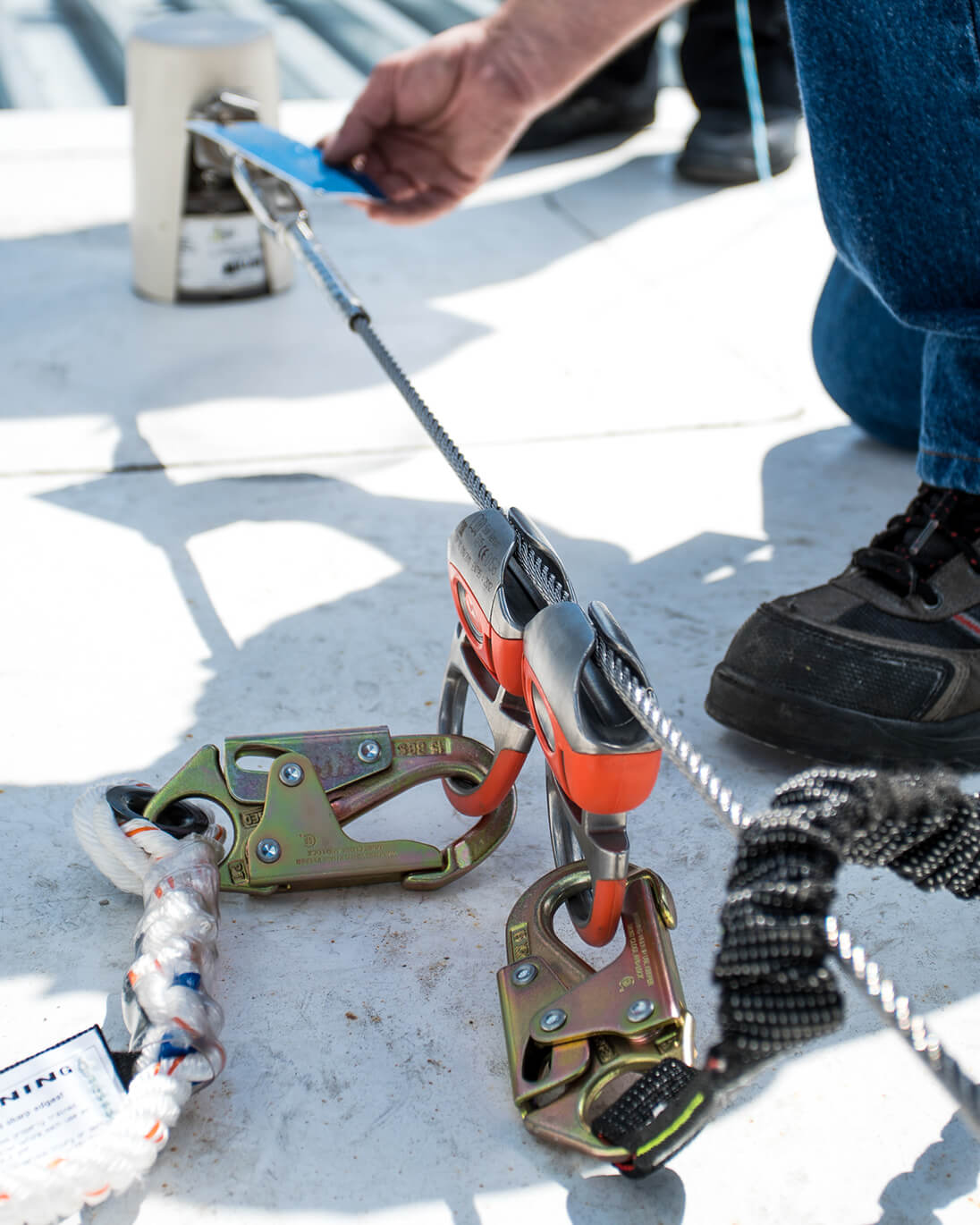
With no structural attachment required, portable counterweight systems provide an overhead anchor in locations that have nothing suitable to anchor to — or where anchoring to it isn't an option. A counterweight portable fall protection system uses an engineered base and a specified amount of ballast to resist the forces created during a fall. The base supports an upright mast or frame, while a davit arm, jib, beam or rigid rail places the connection point above the worker. A self-retracting lifeline or other compatible connector links the overhead anchor to the worker's harness as part of the complete personal fall arrest system.

Freestanding Ballasted Base
Concrete or steel ballast gives the system stability without fastening it to the facility. The required weight, base layout and clearances are specific to the system and must never be estimated in the field.

Overhead Anchor Position
Placing the anchor overhead can reduce free fall and help limit swing fall exposure. The correct position depends on the work path, lower levels, nearby equipment and the clearance required by the complete fall arrest system.

Planned Relocation
Portable does not mean the system can be rolled anywhere or moved while someone is connected. The relocation method, travel path, surface and setup sequence must follow the manufacturer's instructions for the selected system.
Common Counterweight System Configurations
Mast and Davit Systems
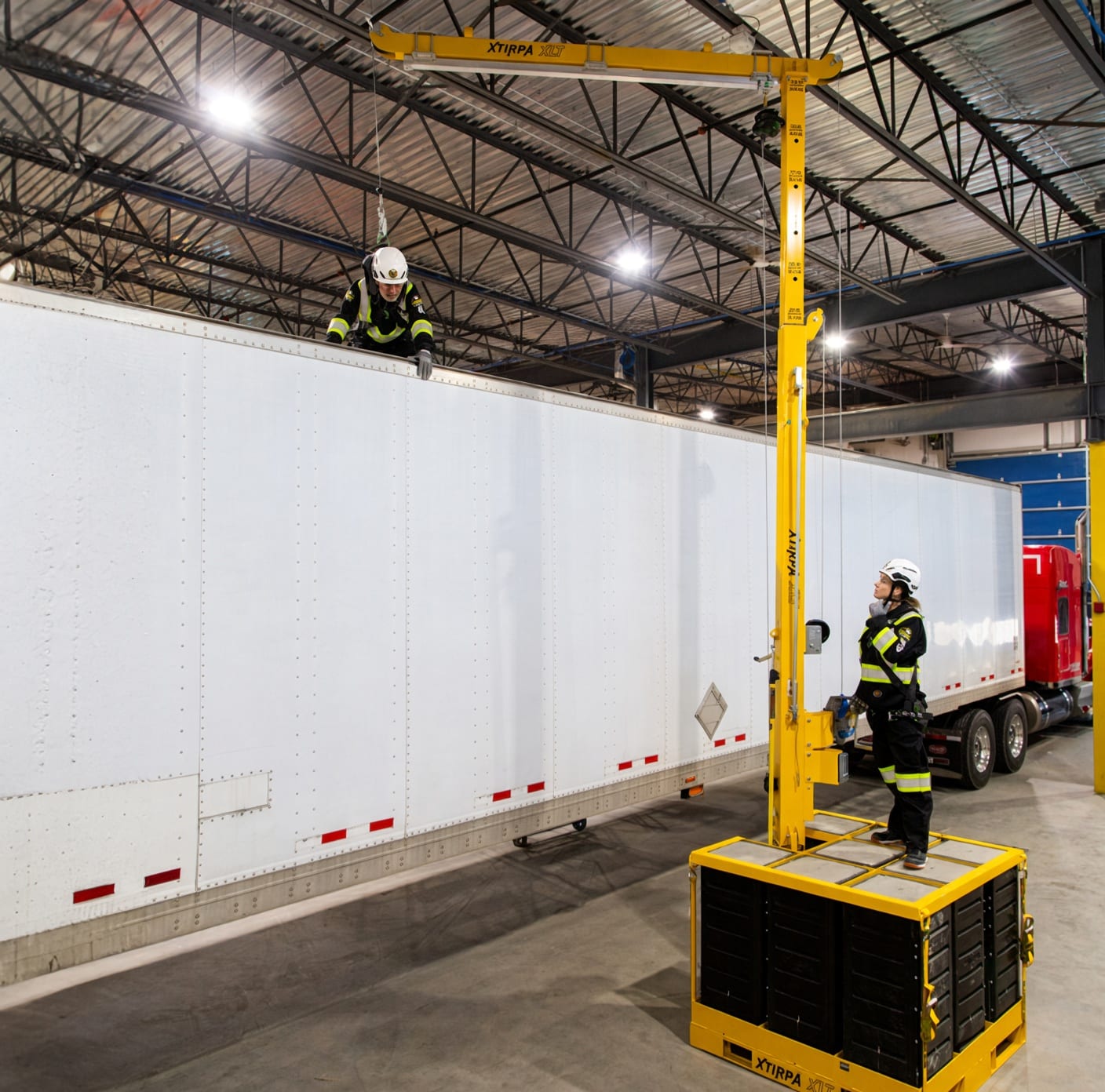
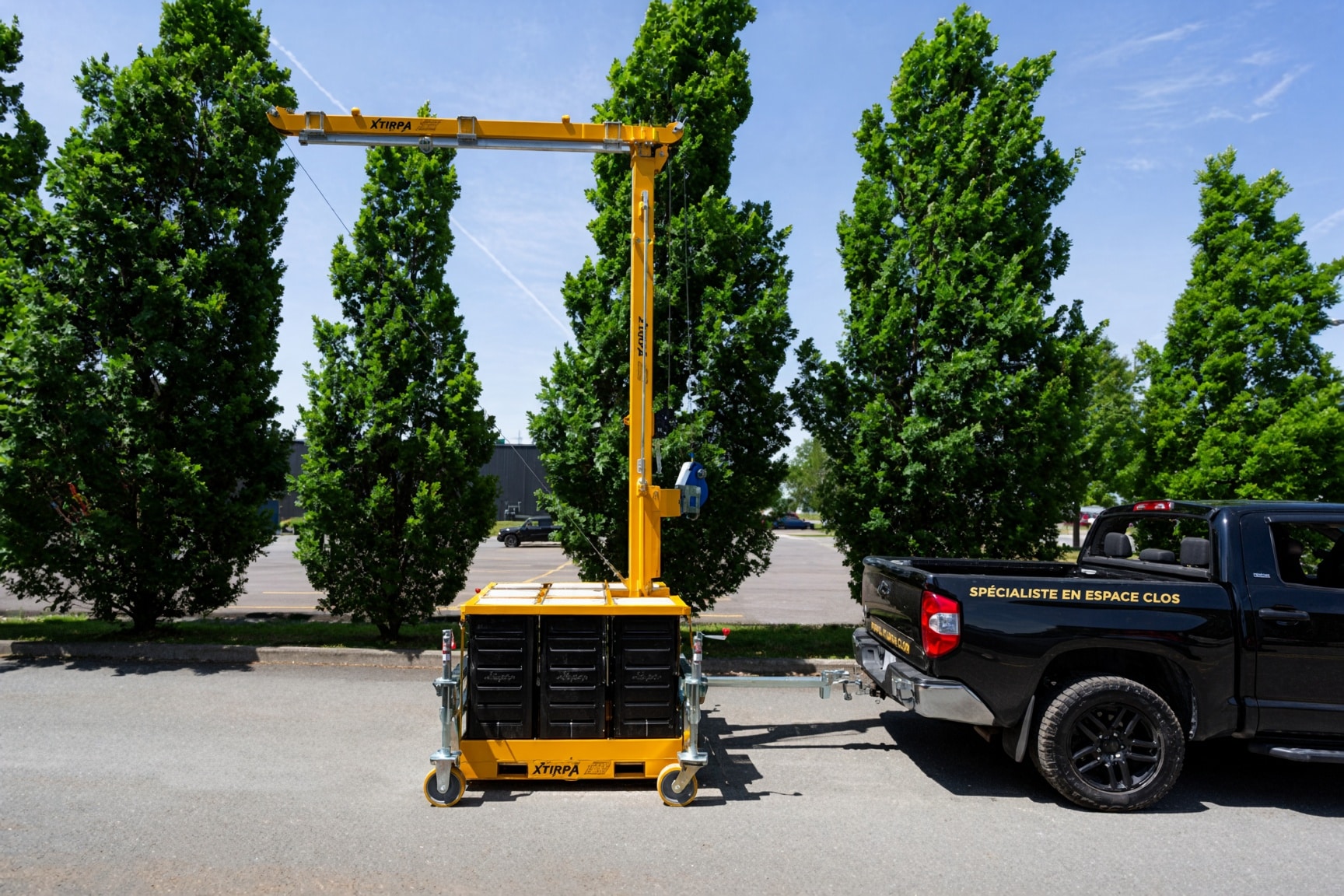
An upright mast with an extending davit arm provides an overhead anchor with a relatively compact work zone. Adjustable models can accommodate different vehicle or equipment heights, and some configurations accept rescue equipment.
Counterweighted Jib Systems
A jib extends over the work area and may rotate to cover a wider arc. Jib systems are often considered when crews need access around a vehicle, machine or defined maintenance station.
Portable Rigid Rail and Beam Systems
Common Counterweight System Configurations
Mast and Davit Systems — An upright mast with an extending davit arm provides an overhead anchor with a relatively compact work zone. Adjustable models can accommodate different vehicle or equipment heights, and some configurations accept rescue equipment.
Counterweighted Jib Systems — A jib extends over the work area and may rotate to cover a wider arc. Jib systems are often considered when crews need access around a vehicle, machine or defined maintenance station.
Portable Rigid Rail and Beam Systems — A rigid rail or beam uses a traveling trolley to support movement along a longer work area. These systems can serve tasks that require lateral travel, but span, user capacity, fall clearance and relocation equipment vary by design.
Counterweight Portable System Applications
Counterweight portable fall protection is most useful when crews repeat elevated tasks in several locations and a fixed system would leave gaps in coverage.
Heavy Vehicle Maintenance
Position overhead protection for inspection, repair and service on trucks, trailers, buses and other tall vehicles. A properly selected reach keeps the support structure outside the immediate access area.

Rail Yard Operations
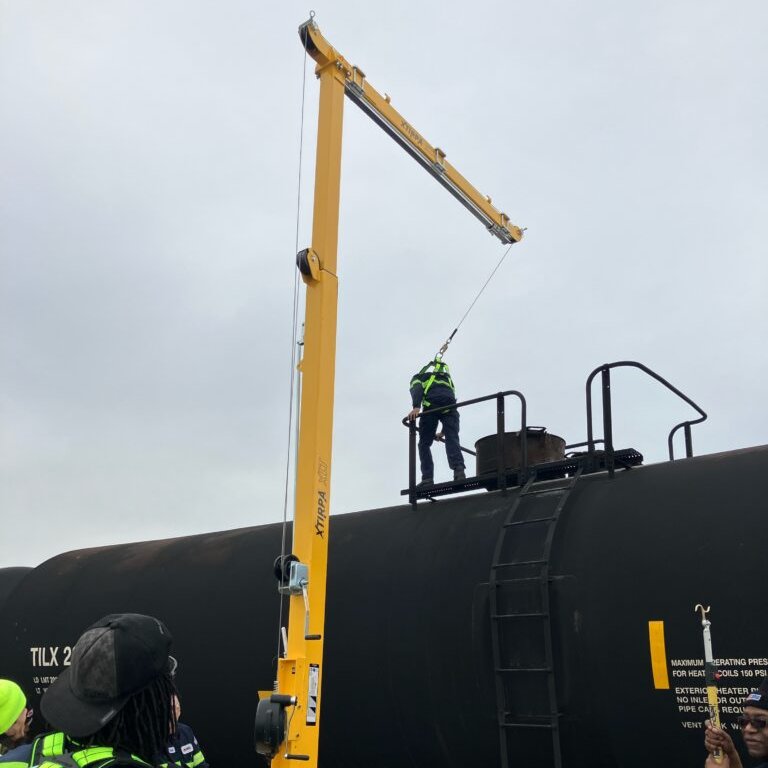
Provide temporary overhead tie-off for railcar loading, inspection or maintenance when no suitable structure exists above the track or service location.

Aircraft and Fleet Service
Bring fall protection to changing service positions around aircraft and fleet equipment while keeping the base and upright clear of doors, wings, lifts and other obstructions.

Industrial Manufacturing
Support recurring maintenance on machinery, process equipment, storage vessels and elevated work surfaces. One portable system may serve multiple prepared work areas when each location has been evaluated for safe setup and use.
Site-Specific Planning
What HySafe Evaluates Before Recommending a System
A portable system still needs site-specific planning. HySafe reviews the task, work height, required reach, anchor position, fall clearance, swing fall exposure, lower levels, base footprint, surface condition, obstructions and the route used to move the equipment. We also confirm user capacity, compatible harnesses and connectors, rescue needs, storage, inspection and training requirements. These details determine whether a mast, jib, rigid rail or another fall protection approach is the right fit.
Featured System: Xtirpa XLT Counterweight Fall Protection
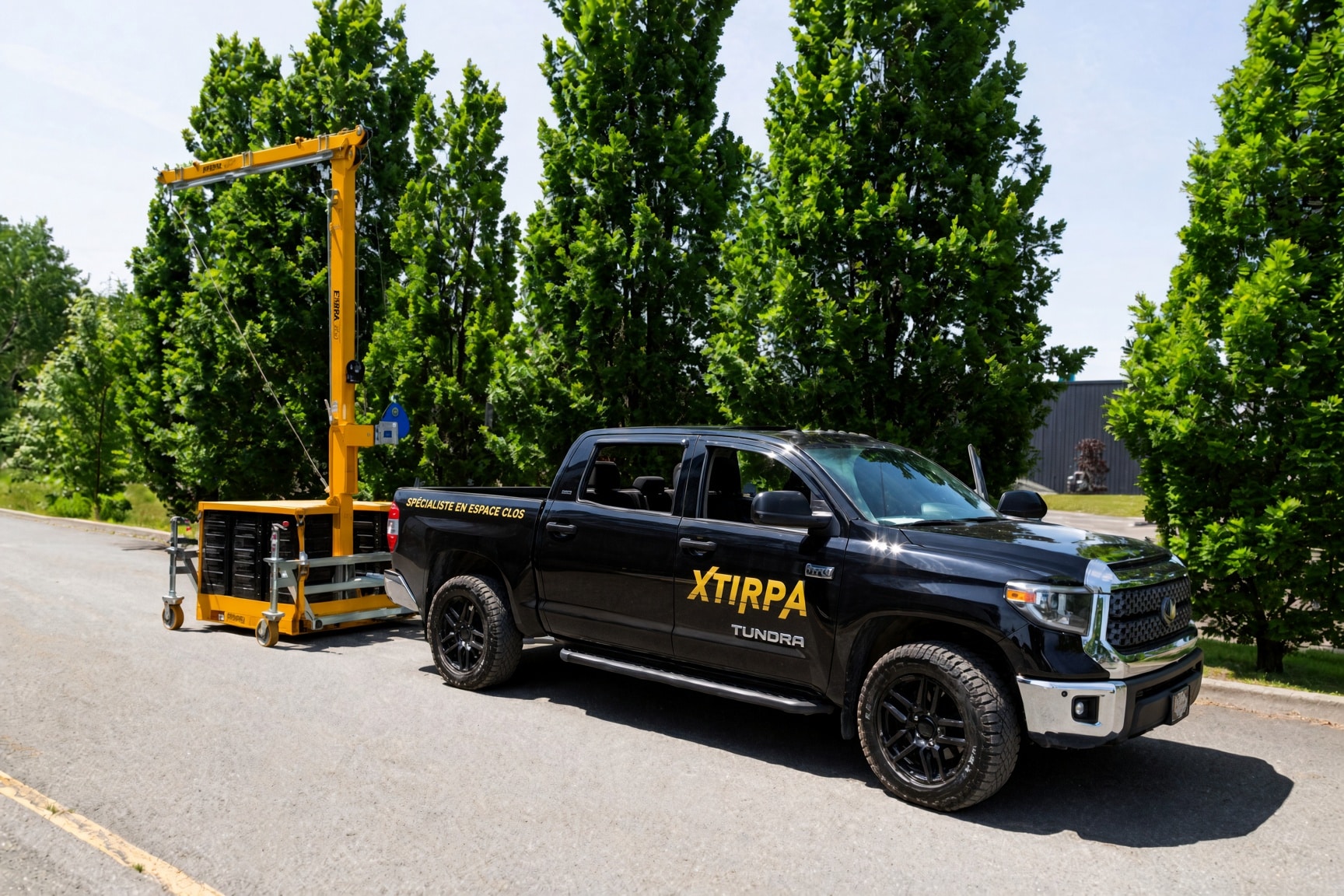
For work that needs an adjustable overhead anchor with extended reach, HySafe offers the Xtirpa XLT as one counterweight portable fall protection option. The mast-davit system is designed for elevated work, fall arrest, rescue and retrieval applications in locations such as heavy vehicle maintenance facilities, rail yards and industrial plants.
Adjustable Height and Long Reach — The IN-5054 mast-davit arm adjusts from 15 to 25 ft in 1 ft increments and provides 9 ft of horizontal reach. This range helps position the anchor above tall vehicles, equipment and elevated work surfaces while the counterweight base remains outside the immediate task area.
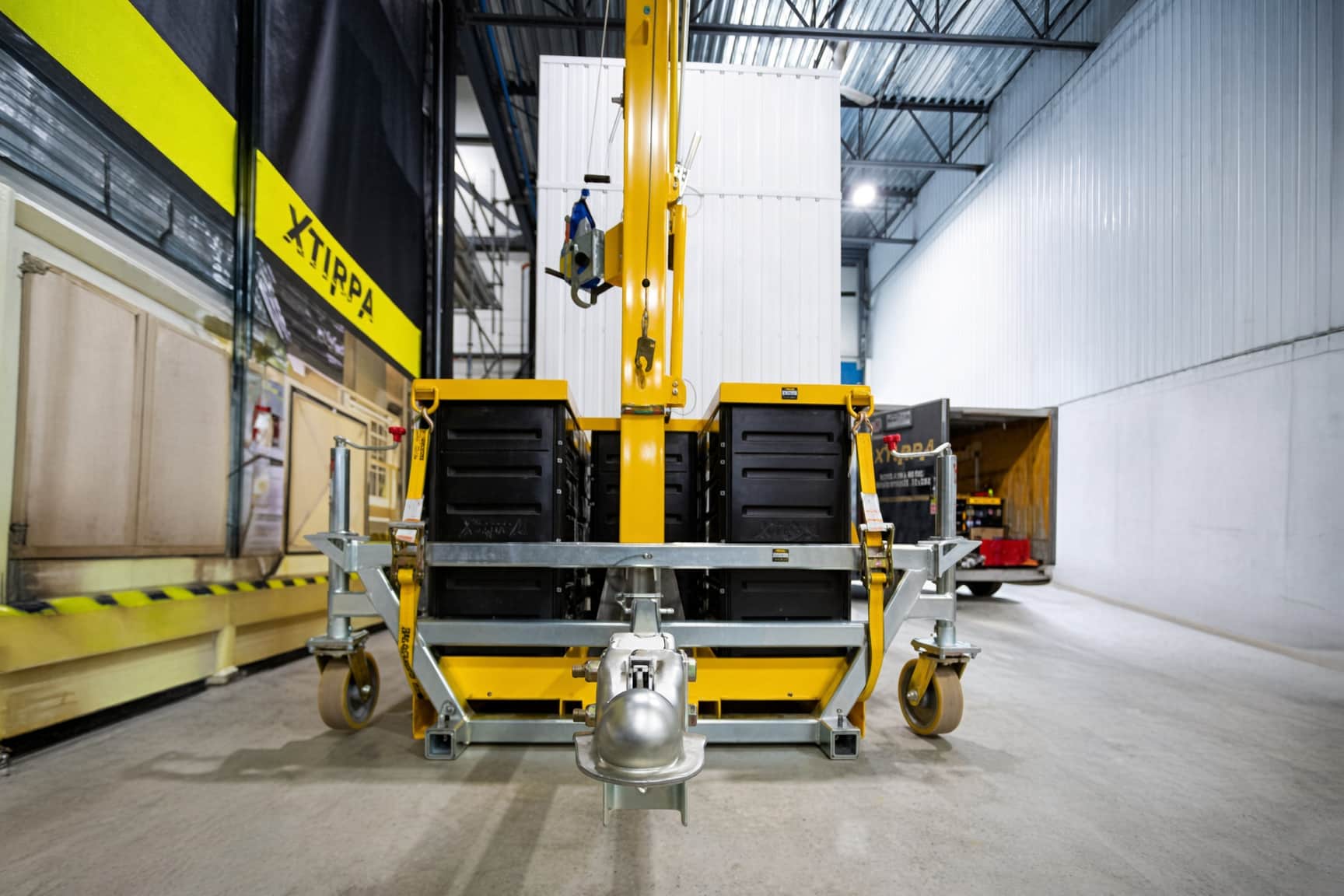
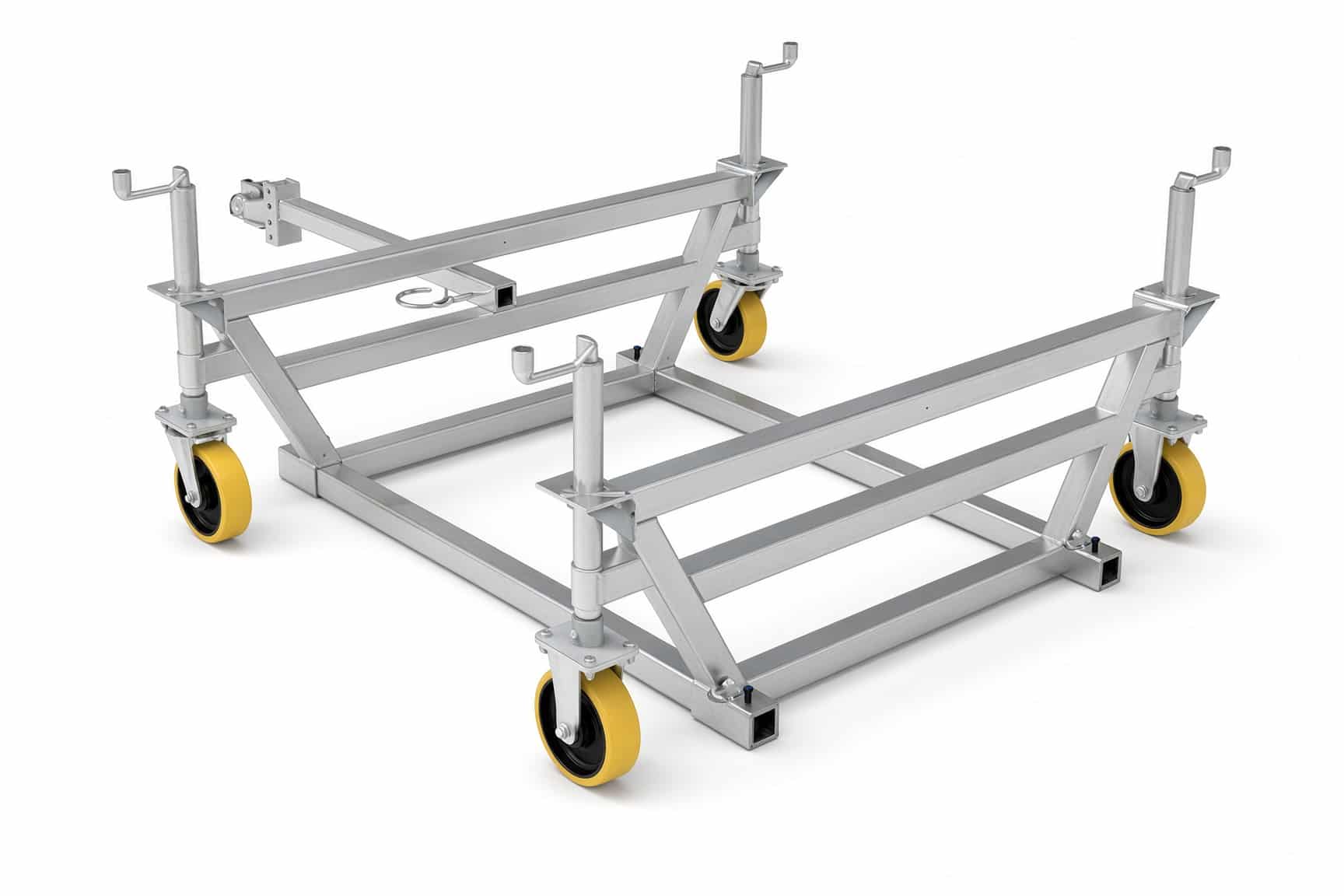
Counterweight Base and Site Mobility — The XLT pairs the mast-davit arm with a freestanding concrete-ballasted base. An available wheeled accessory is designed to transport counterweighted XLT systems on flat asphalt or concrete. It includes a hitch mount adapter for site transport and crank-operated wheels for lifting and positioning the assembly before it is secured for use. Built to break down, move, and go back up wherever the work moves next.
Rescue and Retrieval Capability — The system can be configured with approved compatible self-retracting lifelines and rescue equipment. HySafe helps match the XLT components, connectors and rescue plan to the intended application and manufacturer requirements. Every turnkey installation is configured and documented so the completed system satisfies OSHA's fall arrest requirements.
The Xtirpa XLT is available through HySafe - supplied and installed by the same team that assesses your site. One point of contact from first walkthrough to final sign-off.
Categories

Frequently Asked Questions
What is a counterweight portable fall protection system?
A counterweight portable fall protection system uses engineered ballast to stabilize a freestanding mast, jib, beam or rail. It creates an overhead tie-off point without permanent attachment to the building and can be relocated between approved work areas using the method specified by the manufacturer.
When should I choose a portable counterweight system instead of a fixed system?
A portable counterweight system may be a good fit when elevated tasks move between locations, no suitable overhead anchor exists, or permanent attachment is not practical. A fixed system may be better for frequent work along the same route or when the portable base would interfere with traffic or equipment.
What types of counterweight portable fall protection are available?
Common configurations include mast and davit systems, rotating jibs, single overhead anchor systems, and rigid rail or beam systems with traveling trolleys. The right option depends on the work path, height, reach, required coverage, number of users and available fall clearance.
Can a counterweight fall protection system be used indoors and outdoors?
Many systems can be used indoors or outdoors on approved surfaces. The site assessment must account for levelness, slope, surface capacity, drainage, wind, weather, traffic and the space needed for the base and counterweights. Manufacturer limits govern each setup.
How many workers can use a portable counterweight system?
User capacity varies by system and configuration. It depends on the anchorage design, ballast, mast or rail, connectors and the complete personal fall arrest system. The rated number of users must be confirmed before equipment is selected or used.
Are counterweight portable fall protection systems OSHA compliant?
A counterweight system can be part of an OSHA-compliant fall protection plan when the anchorage and complete personal fall arrest system meet the applicable requirements and are correctly designed, installed, inspected and used. OSHA sets anchorage criteria and requires compatible components, inspections each work shift and prompt rescue. Compliance cannot be determined from the portable base alone.
What is the Xtirpa XLT?
The Xtirpa XLT is an adjustable mast-davit system that can be configured on a counterweight base for portable overhead fall protection. The featured IN-5054 mast-davit arm adjusts from 15 to 25 ft and reaches 9 ft, with options for site transport and rescue equipment for up to two users.
Check out the examples below of our fall protection equipment and systems in action!
Skylights with Screens
Durable Lifelines
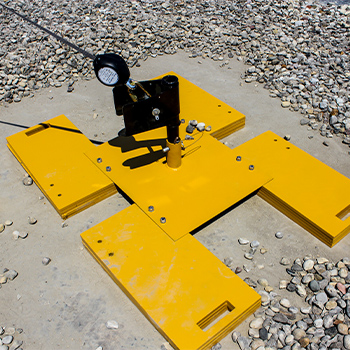
Heavyweight Anchor
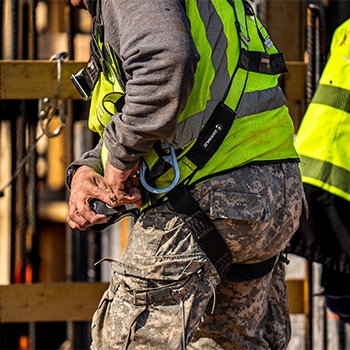
Comfort & Flexibility
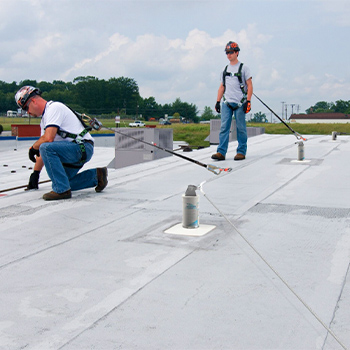
Hands-Free Movement
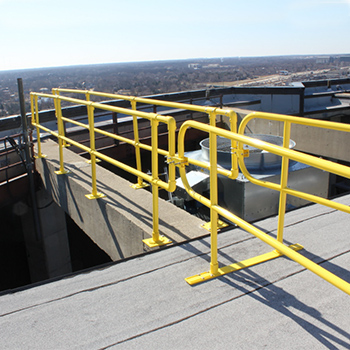
Safety Guardrail
Anchor Solutions
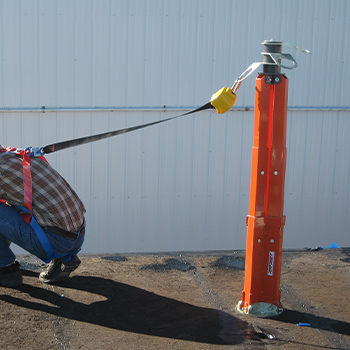
Hazard Protection
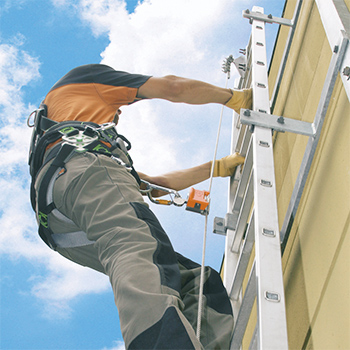
Self-Retracting Lifeline
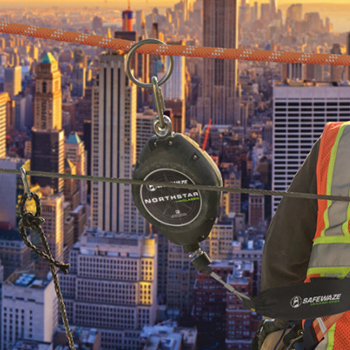
Adjustable HyBox
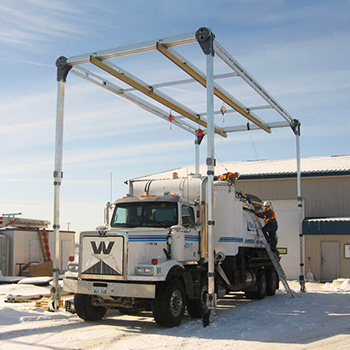
Industries We Serve
Transportation
Custom fall protection for railroads, airports, shipyards and trucking centers.
Stadium & Arena
At height safety systems for entertainment venues and convention centers.
Amusement
Custom solutions for amusement parks and rides including roller coasters.
Education
At height protection for universities, high schools and school systems.
Manufacturing
Fall protection solutions for industrial, agricultural and chemical plants.
Government & Military
At height safety solutions for the armed forces and military bases.
Retail & Commercial
At height safety solutions for hotels, restaurants and property management.
Construction
Custom protection for new construction, expansions and general contractors.
Data Centers
Fall protection for data storage facilities, server buildings and critical infrastructure campuses
Oil & Gas
Custom fall protection solutions for oil and gas refineries, oil wells and oil transportation.
We know how to protect workers at-height.
What sets HySafe apart is how we use our knowledge. We pair education and expertise to make engineered fall protection easy.