Nuclear Power Plant Fall Protection
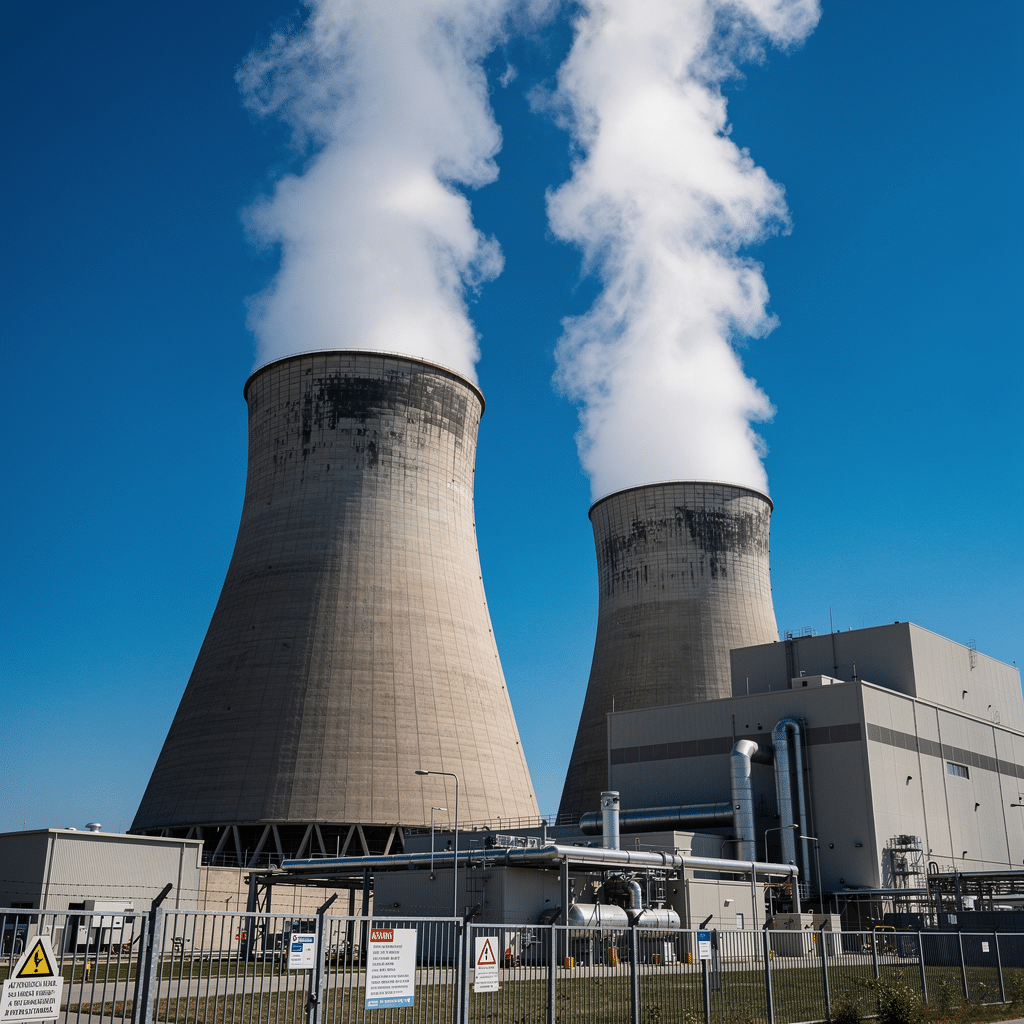
Nuclear power plants put maintenance crews at height in some of the most congested areas of the facility. Pipe racks, turbine decks, cooling towers, fixed ladders and temporary outage platforms all create different access and fall hazards.
HySafe designs, engineers and installs fall protection systems for nuclear power plants and supporting facilities. Each system is planned around the structure, the work route and the way the area is used during normal operation and outages.
Guardrails, pipe rack lifelines, rigid rail, ladder systems and portable protection give crews safer access without adding unnecessary obstructions or connection changes.
Fall Protection Requirements For Nuclear Facilities
Non-radiological fall hazards at NRC-licensed facilities are generally addressed under OSHA requirements. NRC requirements and the plant's radiation protection program still shape work in radiological areas and any task where hazards overlap. Routine maintenance often falls under OSHA General Industry rules, with a common 4-foot trigger. Construction and major modification work may fall under Construction standards, where the common trigger is 6 feet.
Those thresholds are only the starting point. Access authorization, radiological work controls, equipment clearances, outage sequencing and rescue can all affect the system. Fall protection has to fit the work package without interfering with plant equipment, safe egress or the task itself.
HySafe reviews the approach to the work area, available structure, required reach, fall clearance, number of users and rescue method. That field review leads to a system crews can use as intended without creating a new problem in the plant.
Common Nuclear Fall Hazards

Turbine Buildings & Elevated Decks
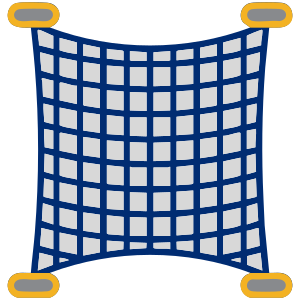
An empty service bay can leave an exposed pit beside a busy work area. Personnel safety netting can help protect workers from accidental falls while allowing planned access for oil changes, inspections, and repairs.

Pipe Racks & Elevated Piping
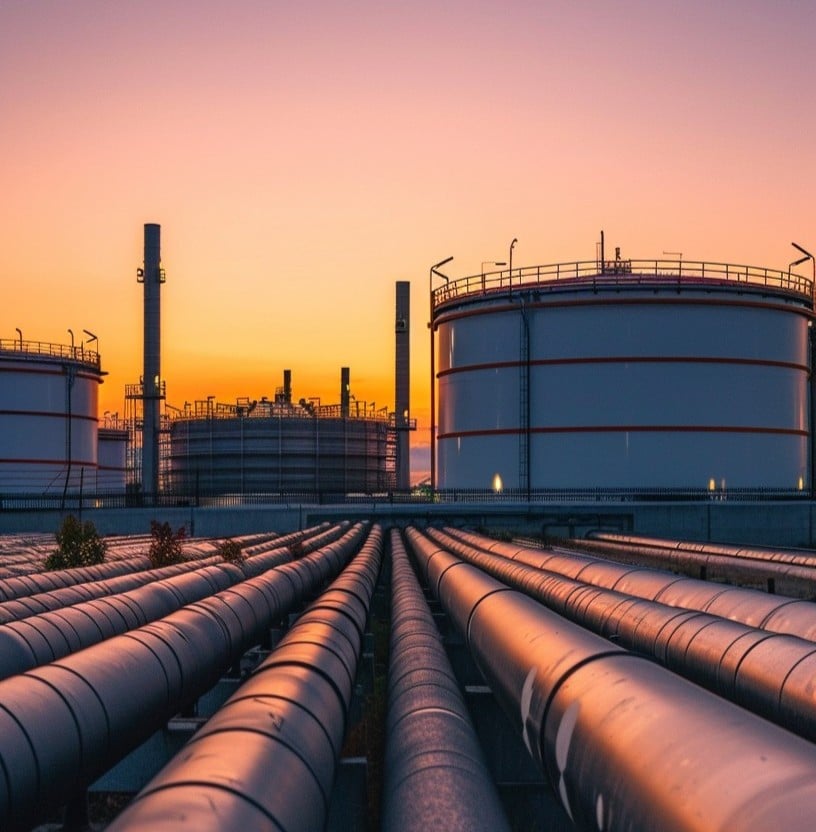
Valves, supports, insulation and elevation changes interrupt narrow pipe rack routes. A lifeline or access platform can provide continuous movement without asking workers to climb over piping or improvise a tie-off point.

Containment & Radiological Areas
Outage work can place several trades on scaffolds, platforms and temporary access routes inside controlled areas. Protection must be quick to use, compatible with the work plan and manageable under the plant's survey and equipment-control procedures.

Cooling Towers, Stacks & Fixed Ladders
Long vertical climbs require more than protection on the ladder. The landing, hatch, gate and step-off point must work together so a protected climb does not end beside an unprotected edge.

Refueling Floors, Hatches & Openings
Open pools, equipment hatches, removed grating and material-handling zones can change as work progresses. Covers, gates and removable guardrails control the exposure while keeping the opening available when the job requires it.

Outage & Modification Work
Outages introduce temporary platforms, scaffolds, floor penetrations and a larger contractor workforce. Portable systems and preplanned tie-off points help protect changing work areas without waiting for a permanent installation.
Engineered Nuclear Fall Protection Systems
System selection starts with the work, not a product list. HySafe looks at access, structure, clearance, movement, frequency of use and rescue before recommending equipment.

Guardrail & Gate Systems
Passive protection for platforms, mezzanines, roof edges, hatches and ladder openings. Guardrails and self-closing gates protect anyone in the area without a harness or connection time.
Best for: Turbine decks, refueling floors, walkways, landings and frequent-access areas

Horizontal & Pipe Rack Lifelines
Engineered cable systems provide continuous tie-off along pipe racks, rooftops, crane rails and service routes where guardrail would block access. The design resolves corners, elevation changes, deflection and rescue.
Best for: Pipe racks, long access paths and recurring inspection routes

Rigid Rail & Overhead Systems
Rigid rail keeps the connection point overhead and limits system deflection. It suits repeat work where available clearance is tight or smooth trolley movement matters.
Best for: Turbine halls, maintenance bays & low-clearance equipment access
Ladder Safety Systems
Vertical lifelines, compatible ladder sleeves, anchors & landing protection support long fixed-ladder climbs. Design also covers obstructions and the transition at the top and bottom.
Best for: Cooling towers, stacks, tanks & multi-level structures

Portable & Outage Systems
Portable anchors, mobile systems and temporary guardrails can be deployed for short-duration work and moved as the job changes. Each setup still requires verified anchorage, inspection & a rescue plan.
Best for: Refueling outages, scaffold work & temporary modification areas
Rescue & Retrieval Systems
Davit arms, winches and retrieval equipment support prompt response for suspended workers, below-grade access and confined entries. The equipment must match the location and the site's response procedure.
Best for: Vaults, sumps, confined entries and at-height rescue planning
Custom Access & Engineered Systems
Platforms, stairs, crossovers and custom anchor layouts can replace awkward climbing and put workers in a stable position. HySafe designs around plant equipment and the available installation window.
Best for: Specialized structures, containment work and retrofit challenges

Designed Around Nuclear Work Controls
Time in a dose area matters, but connection speed is only one part of the decision. Passive protection can remove the need to tie off, while a well-placed active system can reduce setup and extra transfers. The plant's radiation protection team determines how those choices support ALARA.
Materials, coatings, lubricants, fasteners and installation methods may require facility review, especially in controlled areas. Heat, humidity, vibration and outdoor exposure also influence material selection.
The completed system should document user capacity, compatible equipment, inspections, labeling and rescue. Clear records make recertification and future plant modifications easier to manage.
System Comparison At A Glance
Categories

Frequently Asked Questions
Who regulates fall protection at nuclear power plants, OSHA or the NRC?
OSHA generally addresses non-radiological industrial fall hazards. The NRC regulates radiological safety, and the two agencies coordinate where hazards overlap. Plant procedures and the radiation protection program still affect how fall protection is selected and used.
What fall protection is required at a nuclear facility?
The answer depends on the task. Routine maintenance often follows General Industry requirements, with a common 4-foot threshold. Construction and major modification work may use a 6-foot threshold. Openings, ladders and other specific conditions have additional requirements.
What is the best fall protection system for a pipe rack?
A horizontal lifeline is often a practical choice when workers need to travel along the rack and guardrail is not workable. Structure, elevation changes, reach, clearance, user count and rescue determine the final design. In some locations, a platform or crossover is safer.
How does ALARA affect fall protection design?
ALARA planning seeks to limit radiation dose, including time spent in dose areas. Passive guardrail or simple, well-positioned connection points may reduce setup time. The plant's radiation protection program must review the approach for the specific task and area.
What works best during a refueling outage?
Permanent systems are useful on routes crews use every cycle. Portable anchors, mobile systems, temporary guardrails and planned tie-off points cover work areas that change during the outage.
Can an operating nuclear plant be retrofitted with fall protection?
Yes. Retrofit design starts with structural verification, equipment clearances, work controls, temporary protection and the available installation window. HySafe can develop the system and field sequence around an operating facility's access and outage constraints.
Protect The Crews That Keep The Plant Running
Nuclear work is planned carefully because small details can affect the whole job. Fall protection deserves the same attention. A clear route, usable connection points and a practical rescue plan give crews safer access without slowing the work.
Talk to a HySafe specialist about your maintenance program, facility upgrade or next outage.
Testimonial
"The HySafe team brings relevant expertise across all industries with work-at-height hazards. They understand the job site and customer needs before providing options."
Roger R.
Railroad Safety Director
We know how to protect workers at-height.
What sets HySafe apart is how we use our knowledge. We pair education and expertise to make engineered fall protection easy.