Rigid Rail Fall Protection Systems
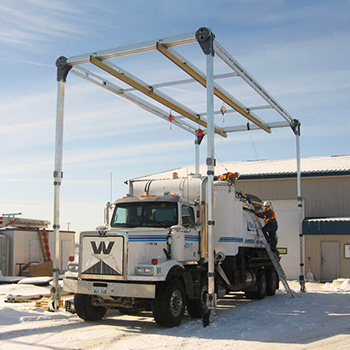
These durable systems reduce deflection with no worries of cable sag in fall restraint and fall arrest, used overhead or at foot-level. Rigid rail is ideal for large facilities such as aircraft hangars and industrial sites while aluminum rail offers a discrete low-profile design to maintain building aesthetics. HySafe offers permanent protection with easy maintenance on a variety of structures.
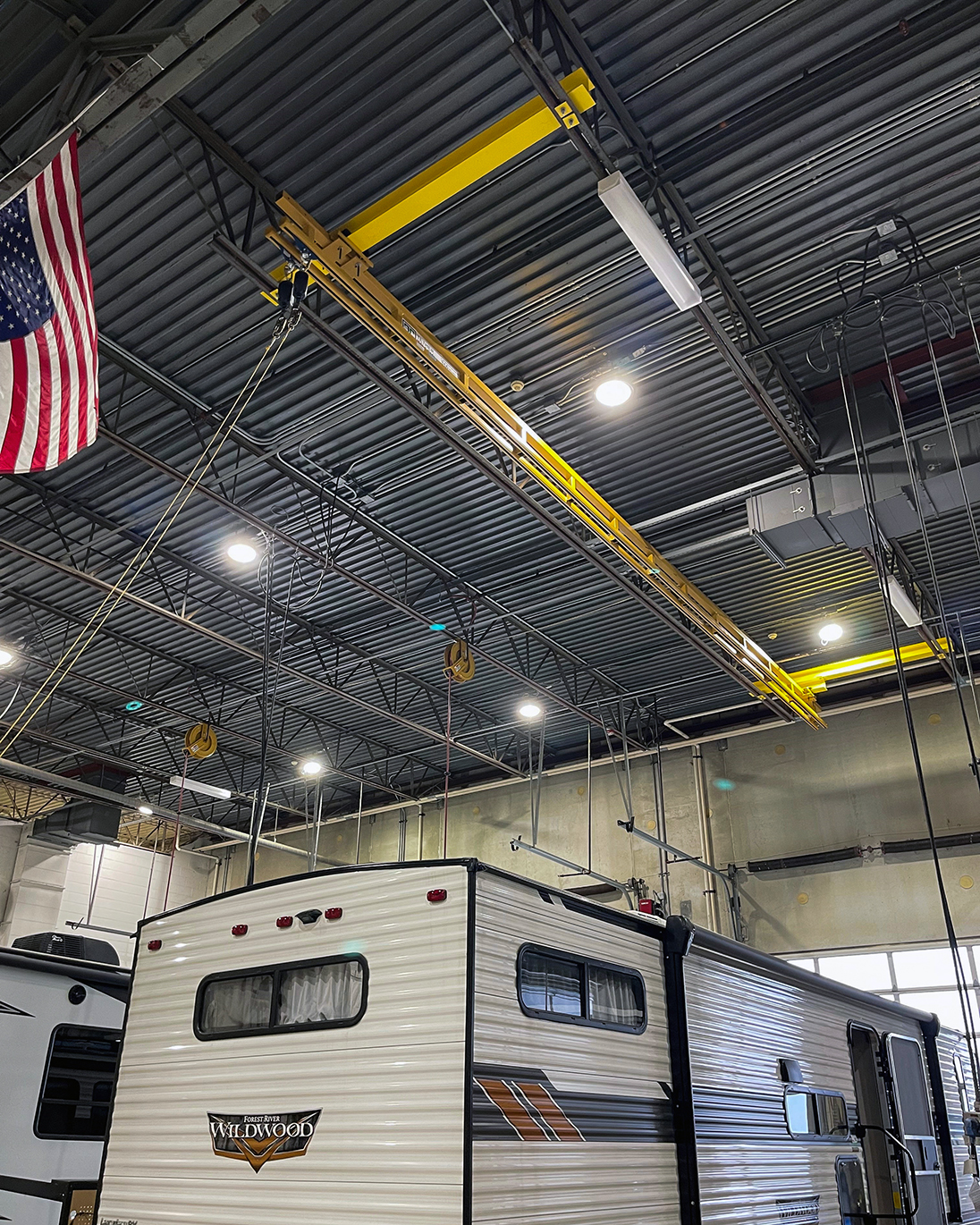
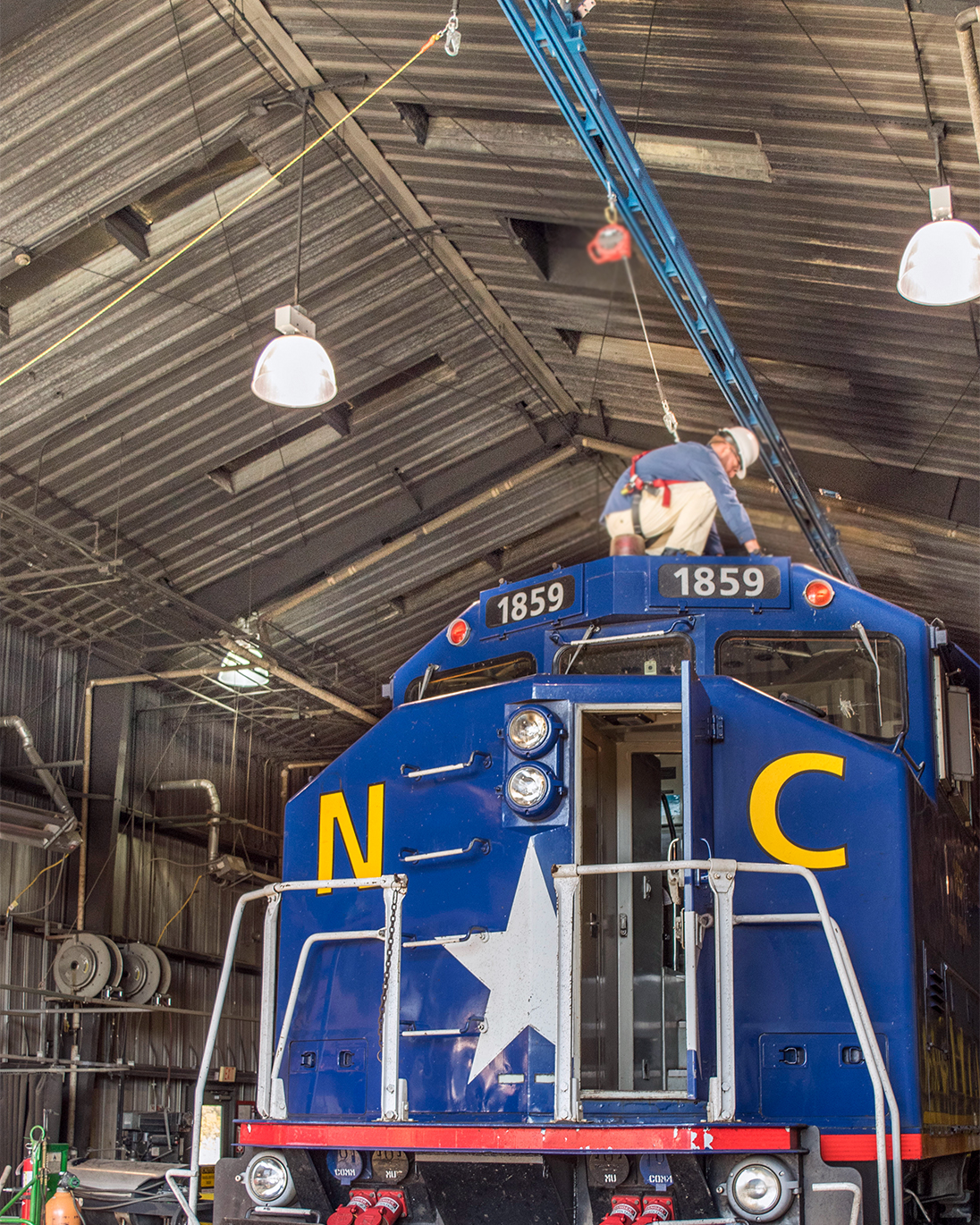
Benefits
Continuous Movement
Smooth operation even on corners
Even Load Distribution
Increased structural integrity
Shorter Fall Arrest Distances
Ideal for low clearance environments
Our Process

A HySafe partnership begins with a full assessment of your needs. We review your structure, work areas, obstructions, hazards and mobility requirements to inform the next steps for your system.

Design
Qualified experts design fall protection solutions tailored for you. We analyze all the information then develop a system to fit your facility, provide efficient access and keep your workers safe.

Engineer
HySafe connects you with solutions that meet or exceed industry standards. We do all the work to determine design end load conditions, deflection, ultimate loads and other critical details.

Install & Train
Dedicated HySafe experts are ready to install any system and train your employees. Our dedicated field team efficiently fits each piece into place then provides full system training.

Recertify
HySafe recertification makes it easy to ensure you are always in compliance. We offer annual recertification, including maintenance and repairs, on any fall protection system.
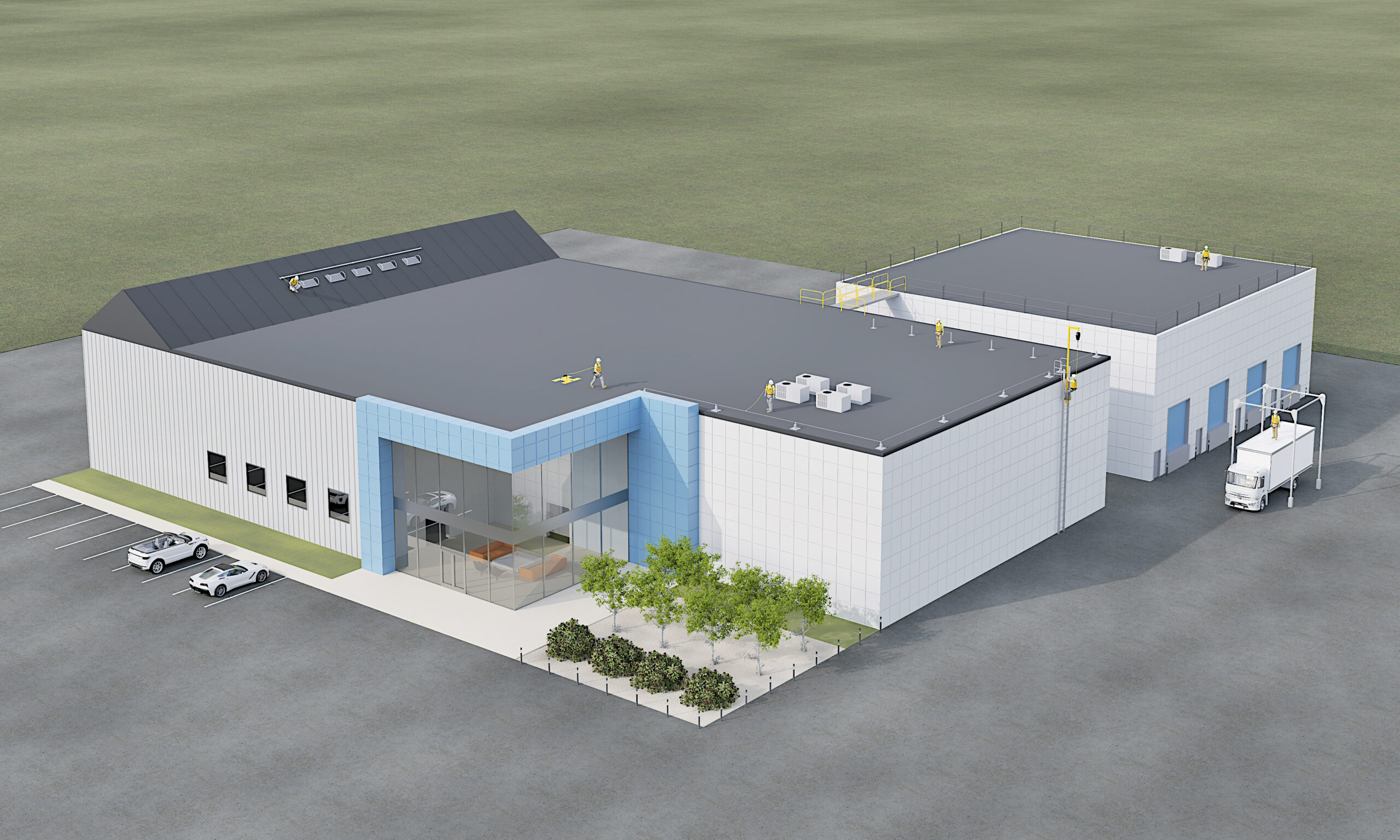
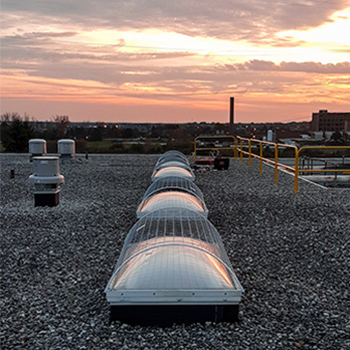
Check out the examples below of our fall protection equipment and systems in action!
Skylights with Screens
Durable Lifelines
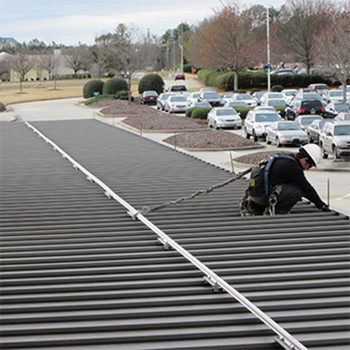
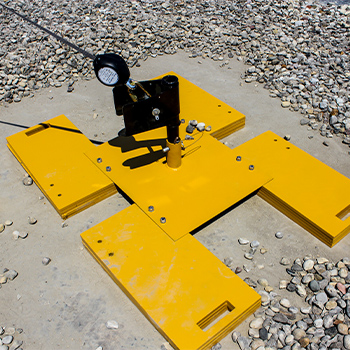
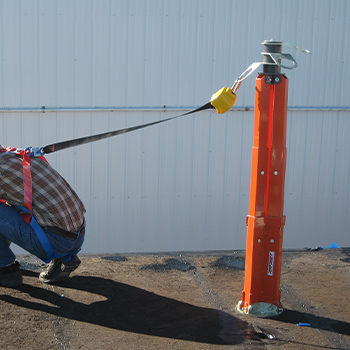
Heavyweight Anchor
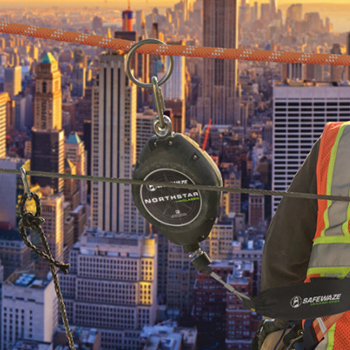
Comfort & Flexibility
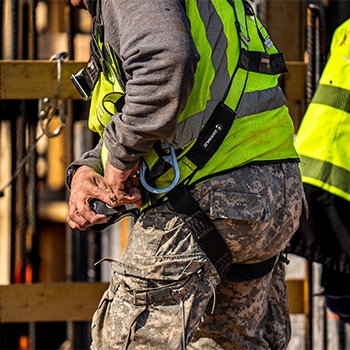
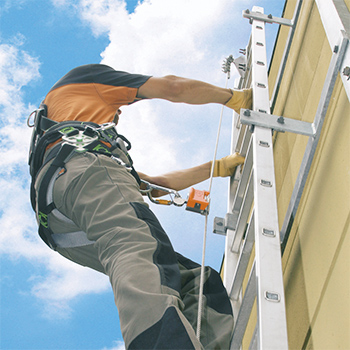
Hands-Free Movement
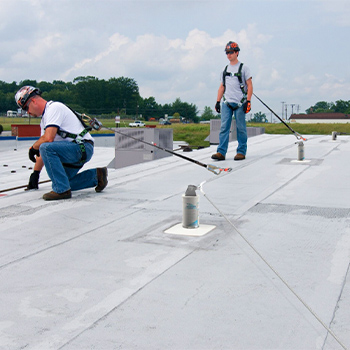
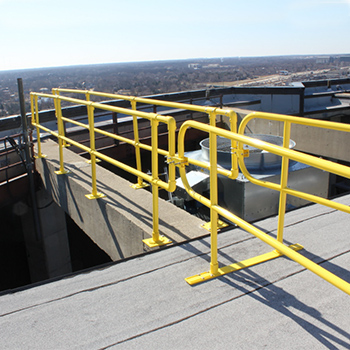
Safety Guardrail
Anchor Solutions
Hazard Protection
Self-Retracting Lifeline
Adjustable HyBox
Testimonial
“I thought I had complex fall protection issues. HySafe made it so simple. Five different jobs with timely, professional installation and experts I can trust.”
Doug Leffler
Industrial Facilities Manager
Industries We Serve
Transportation
Custom fall protection for railroads, airports, shipyards and trucking centers.
Stadium & Arena
At height safety systems for entertainment venues and convention centers.
Amusement
Custom solutions for amusement parks and rides including roller coasters.
Education
At height protection for universities, high schools and school systems.
Manufacturing
Fall protection solutions for industrial, agricultural and chemical plants.
Government & Military
At height safety solutions for the armed forces and military bases.
Retail & Commercial
At height safety solutions for hotels, restaurants and property management.
Construction
Custom protection for new construction, expansions and general contractors.
Data Centers
Fall protection for data storage facilities, server buildings and critical infrastructure campuses
Oil & Gas
Custom fall protection solutions for oil and gas refineries, oil wells and oil transportation.
Categories

Frequently Asked Questions
What is a rigid rail fall protection system?
A rigid rail system uses an aluminum or steel track instead of a flexible cable. Workers connect via a trolley that glides along the rail, providing smooth, continuous movement with minimal effort. Because rigid rail produces virtually no deflection, it arrests falls in significantly less distance than cable systems - making it the preferred solution in low-clearance environments such as aircraft hangars, manufacturing lines, and vehicle assembly facilities where workers are operating less than 12 feet above the lower level.
When should I choose rigid rail over cable lifeline?
Choose rigid rail when you have limited fall clearance (rigid rail deflects far less than cable), need smooth multi-user traversal, have overhead crane or monorail integration needs, or want minimal maintenance over the system's life. Cable lifeline is typically better for longer spans and simpler installations.
Can rigid rail systems handle curves and switches?
Yes. Rigid rail systems can be configured with curves, switches, and turntables to navigate around obstructions and connect multiple work areas. Workers stay continuously attached through direction changes, no disconnecting and reconnecting.
What maintenance does a rigid rail system require?
Rigid rail requires less ongoing maintenance than cable systems, no cable re-tensioning. Regular inspections check for rail alignment, trolley wheel wear, connection point integrity, and corrosion. Annual inspection by a Competent Person and periodic recertification by a Qualified Person are required.
We know how to protect workers at-height.
What sets HySafe apart is how we use our knowledge. We pair education and expertise to make engineered fall protection easy.