Wastewater Fall Protection
Wastewater facilities are full of open tanks, wet surfaces, fixed ladders, hatches and confined spaces. One missed tie-off or unguarded edge can turn routine maintenance into a serious fall, drowning or rescue event.
HySafe designs, engineers, and installs OSHA-compliant wastewater fall protection systems for treatment plants, pump stations, lift stations, and utility infrastructure.
From clarifier guardrails to wet well retrieval systems, we help your crews access the work safely without slowing down daily operations.
Fall Protection Requirements For Wastewater Facilities
Most wastewater maintenance environments fall under OSHA General Industry rules, where workers exposed to unprotected sides or edges 4 feet or more above a lower level need fall protection. Construction, retrofit and expansion work may trigger construction standards with different requirements. OSHA also requires fall protection regardless of height around "dangerous equipment" like tanks and vats. Open clarifiers, aeration basins, digesters, and similar tanks often fall into this category, so it's the exposure, not just the height, that drives the requirement.
HySafe makes fall protection simple. We start by reviewing your facility, work tasks, and access points, then walk you through your options so you know exactly what you need and why.
Common Wastewater Fall Hazards

Clarifiers & Settling Tanks
Workers servicing skimmers, drives, bridges and tank edges face open water, slippery surfaces and long walking paths. Guardrails, gates, walkways and lifelines help crews move safely around the tank.

Wet Wells & Lift Stations
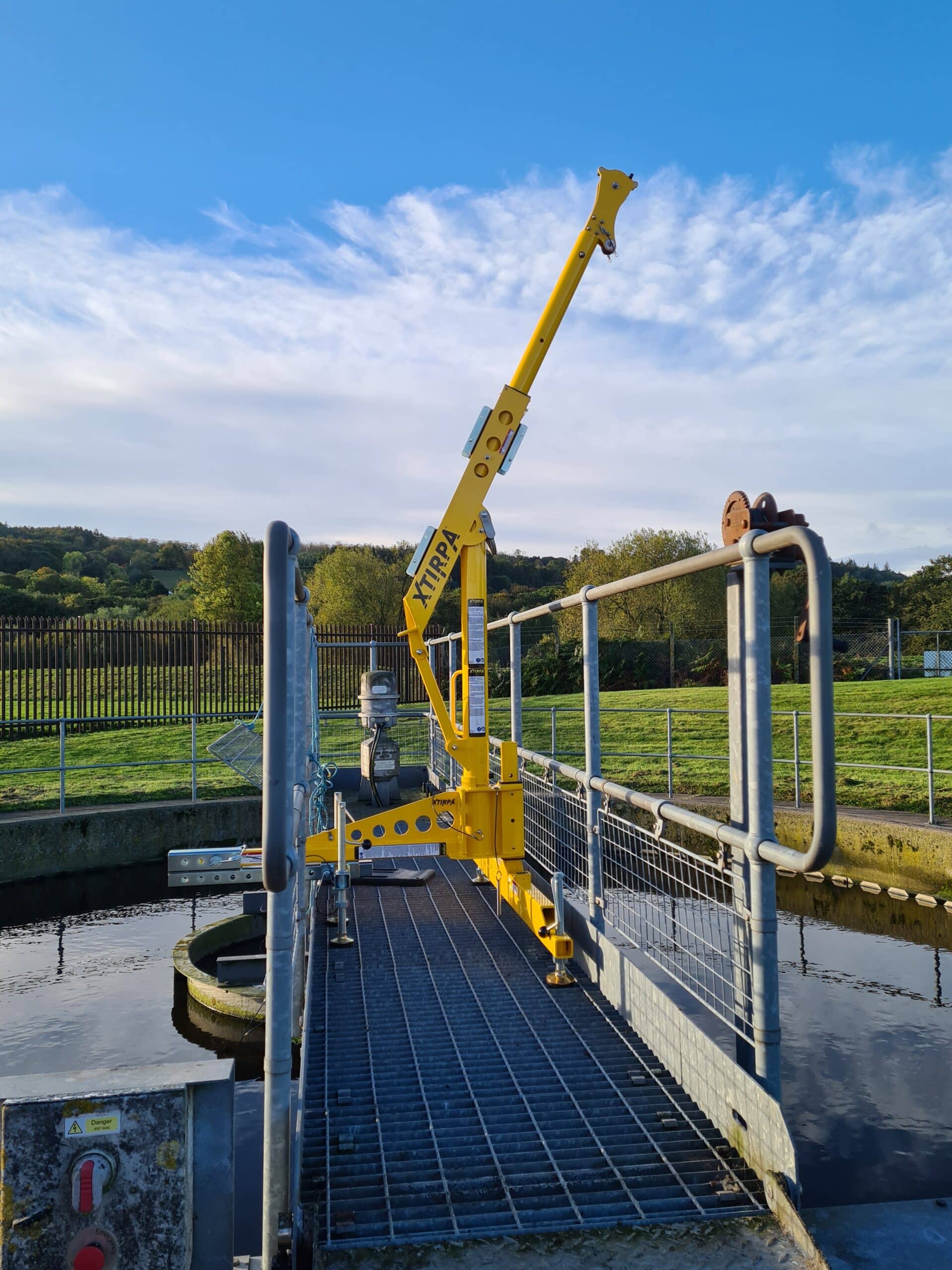
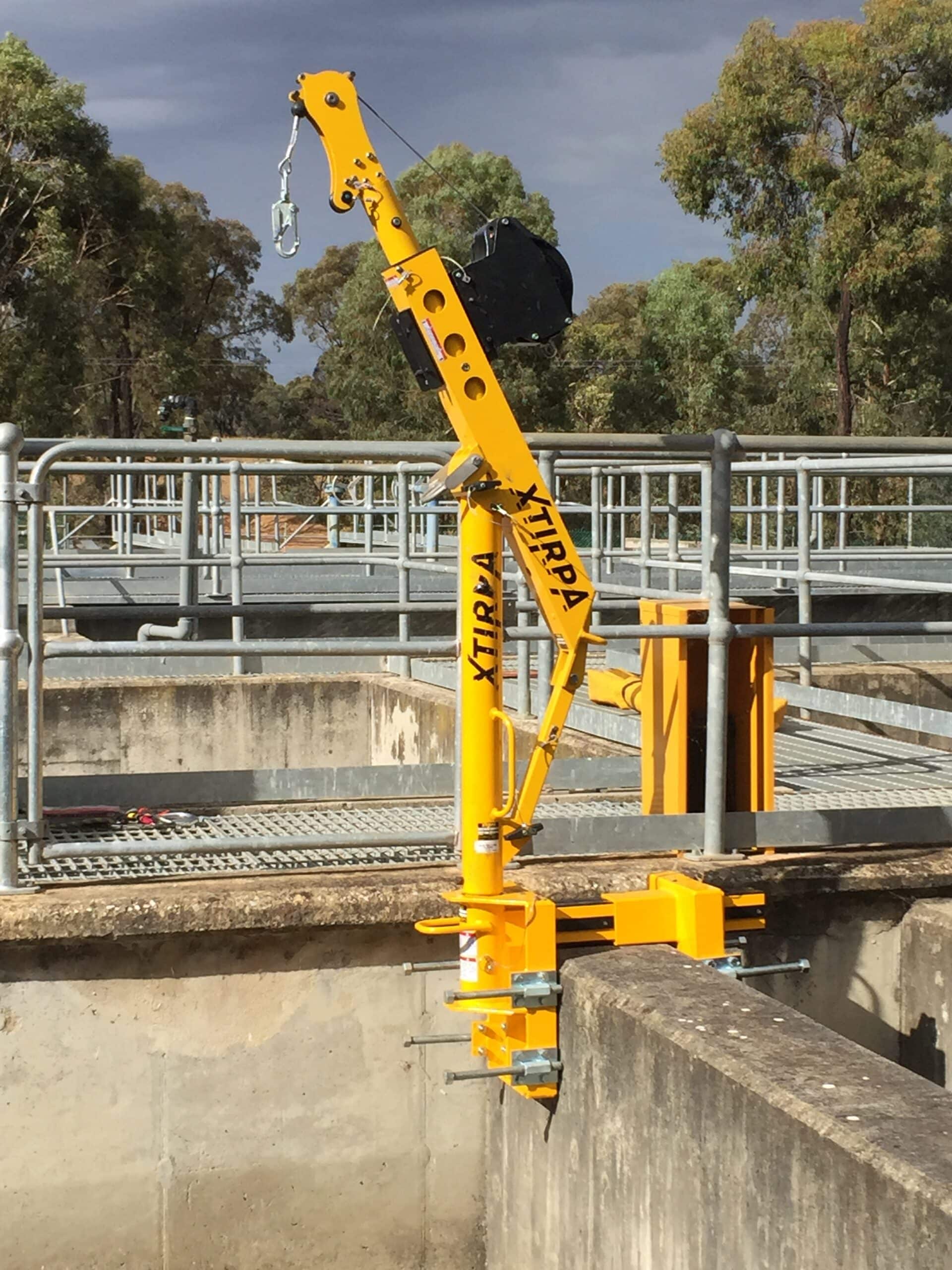
Open hatches, deep wells and confined space entry create fall and retrieval challenges. Davit arms, tripods, portable bases and engineered anchors support safe access and rescue planning.

Digesters & Aeration Basins
Elevated platforms, exposed edges and corrosive environments demand durable systems that can handle daily exposure to moisture, chemicals and outdoor conditions.

Pump Rooms, Vaults & Confined Spaces
Underground access often combines vertical entry, limited mobility and atmospheric hazards. Fall protection should work together with your confined space entry and retrieval plan.

Fixed Ladders & Access Platforms
Tank ladders, roof ladders, and platform ladders may need ladder safety systems, self-closing gates, anchors, or guardrail depending on height, exposure, and landing conditions.

Rooftop Equipment & Hatches
Blowers, HVAC units, vents, and roof hatches need safe routes for inspection and repair. Non-penetrating guardrails, warning lines, anchors and crossovers can reduce recurring maintenance risk.
Engineered Wastewater Fall Protection Systems
Every treatment plant is different. HySafe builds systems around your tanks, structures, traffic patterns, maintenance tasks, and rescue requirements.

Guardrail & Gate Systems
Passive protection for clarifiers, basins, platforms, roof hatches, and ladder openings. Guardrails help prevent exposure before a worker ever needs to connect to PPE.
Best for: tank edges, elevated platforms, walkways, hatches and frequent-access areas.

Hatch, Hole & Opening Protection
Removable guardrail, covers and gate systems help protect workers around wet wells, vaults, pits and floor openings while preserving access for inspection and equipment service.
Best for: pump stations, lift stations, vaults, pits and utility access points.

Davit Arms, Tripods & Retrieval Systems
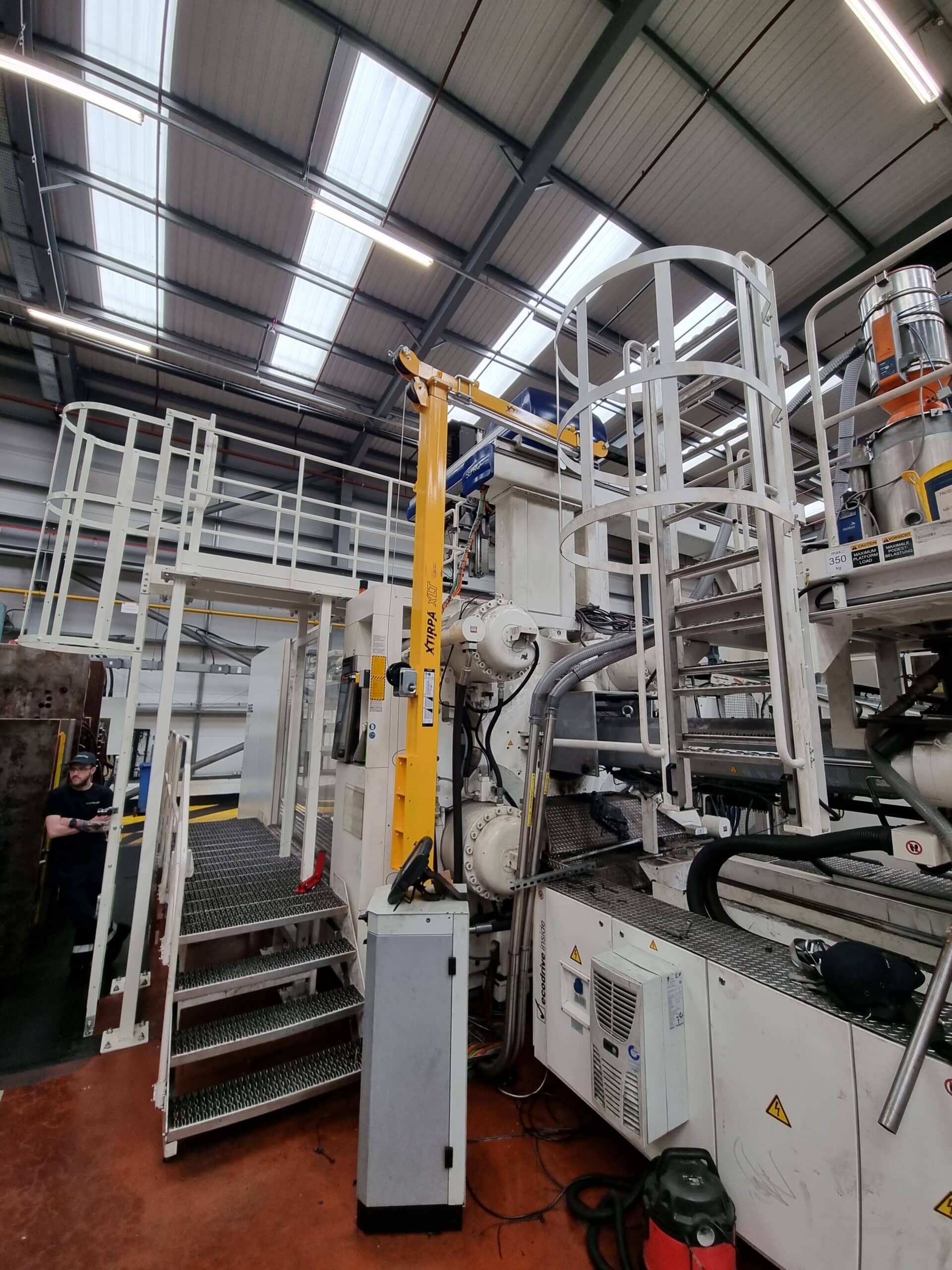
Confined space entry needs more than a harness. HySafe can provide portable or fixed retrieval systems designed for controlled entry, emergency rescue and repeated field use in water and wastewater facilities.
Best for: wet wells, manholes, vaults, tanks and below-grade access.

Horizontal Lifelines & Anchorage
Engineered anchors and cable lifeline systems support continuous tie-off along tanks, rooftops, catwalks and service routes where guardrails are not practical.
Best for: long access paths, tank tops, rooftops and elevated maintenance routes.

Rigid Rail & Overhead Systems
Rigid rail systems reduce deflection and keep the connection point overhead. They are useful where fall clearance is limited or workers need smooth, repeatable movement.
Best for: loading areas, treatment equipment access, maintenance bays and low-clearance work.
Ladder Safety Systems
Fixed ladders can be upgraded with vertical lifelines, ladder anchors, safe landings and self-closing gatesto improve access between plant WWTP/WTP levels.
Best for: tank ladders, roof access, platform ladders and existing utility structures.

Platforms, Stairs & Walkways
Custom access platforms, stairs and walkways help crews reach valves, motors, skimmers, blowers and instrumentation without improvising around obstructions.
Best for: equipment access, process areas, retrofit projects and recurring inspections.

Built For Wet, Corrosive Environments
Wastewater facilities are hard on equipment. Moisture, chemicals, UV exposure and washdown routines can shorten the life of ordinary components.
HySafe designs systems with the right materials for the environment, including stainless steel, galvanized steel, aluminum and coated components where appropriate.

System Comparison At A Glance
Categories

Frequently Asked Questions
What is the best fall protection system for wastewater treatment plants?
The best system depends on the work area. Clarifiers often need guardrails or lifelines, wet wells often need retrieval systems and rooftops may need guardrails, anchors or crossovers. HySafe assesses the full facility before recommending a solution.
Do clarifiers and wet wells need fall protection?
Yes, workers exposed to tank edges, openings, wells, pits or other lower levels may need fall protection. In wastewater environments, the risk can include both the fall itself and contact with water, sewage or treatment equipment.
What fall protection is used for confined space entry?
Common solutions include davit arms, tripods, portable bases, self-retracting lifelines, rescue winches, anchors and compatible harnesses. The system should support safe entry and retrieval.
Can existing wastewater plants be retrofitted?
Yes. HySafe can design retrofit systems around existing tanks, hatches, ladders, roofs, platforms and site constraints while helping minimize disruption to operations.
What materials work best for wastewater fall protection?
Wastewater sites often require corrosion-resistant materials such as stainless steel, galvanized steel, aluminum,uminum or coated components. HySafe selects materials based on exposure, location and expected service life.
Are ladder cages enough for wastewater facility ladders?
OSHA requirements depend on ladder height, installation date, landing conditions and possible fall distance. HySafe can evaluate existing fixed ladders and recommend compliant upgrades.
Protect Workers At Height And Around Open Water
Wastewater work cannot stop, and safety cannot depend on improvised access. HySafe helps utilities build practical fall protection systems for the real conditions inside treatment plants, pump stations and lift stations.
Talk to a HySafe specialist about your wastewater fall protection needs.
Testimonial
"The HySafe experts made it very easy to understand the OSHA requirements and it was a pleasure working with them from concept through installation and training."
Vince Williamson
Quality Director, Rahco Rubber
We know how to protect workers at-height.
What sets HySafe apart is how we use our knowledge. We pair education and expertise to make engineered fall protection easy.