Cable Lifeline Fall Protection Systems
Today’s cable lifelines are more versatile than ever with overhead and foot-level tie-off. Pass-through intermediates provide smooth, hands-free operation for single or multiple users. Modern systems absorb fall forces for attachment to a wider range of substrates with minimally invasive installation. HySafe’s heavy duty, pre-engineered cable lifelines are user-friendly with affordable options.
Benefits
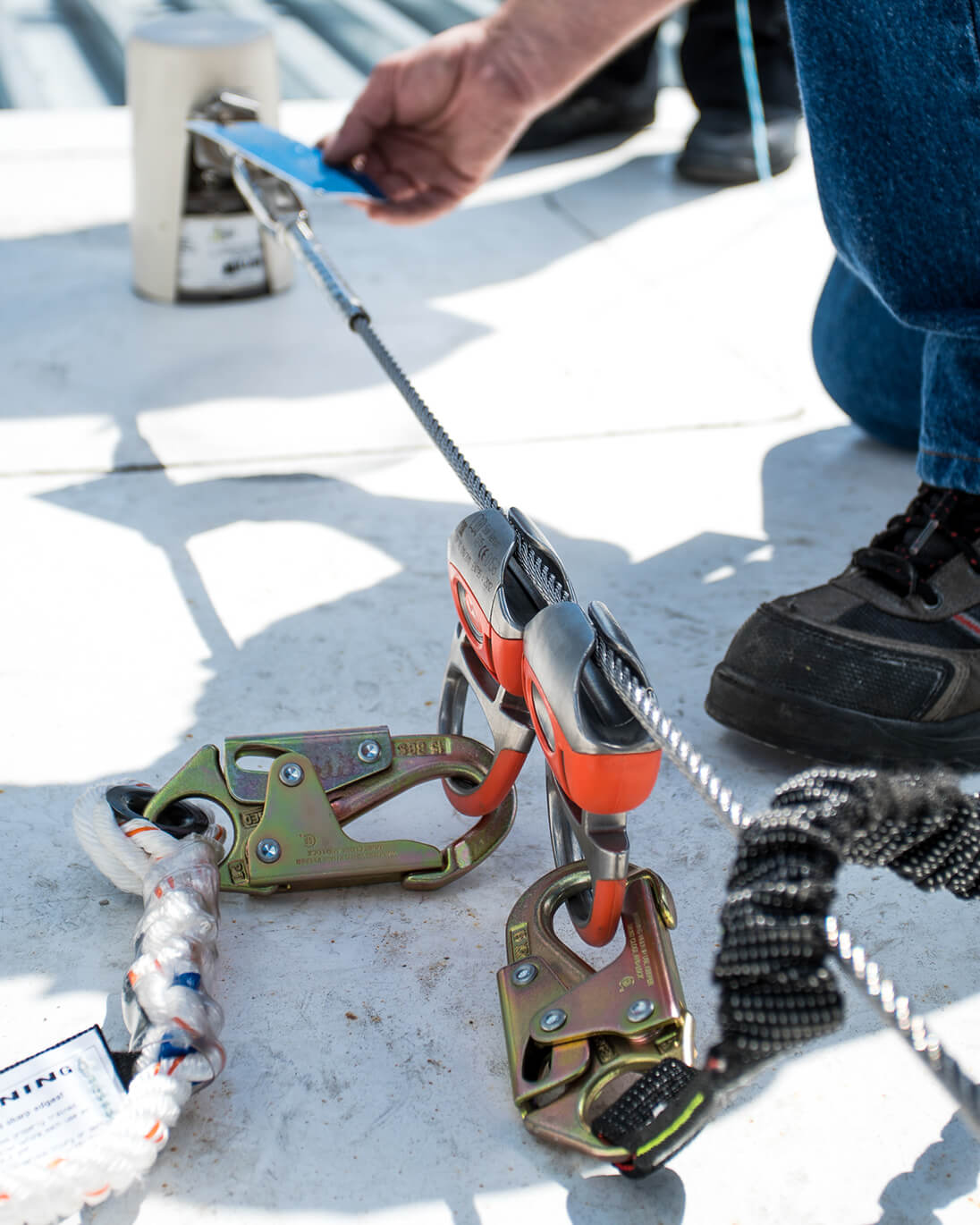
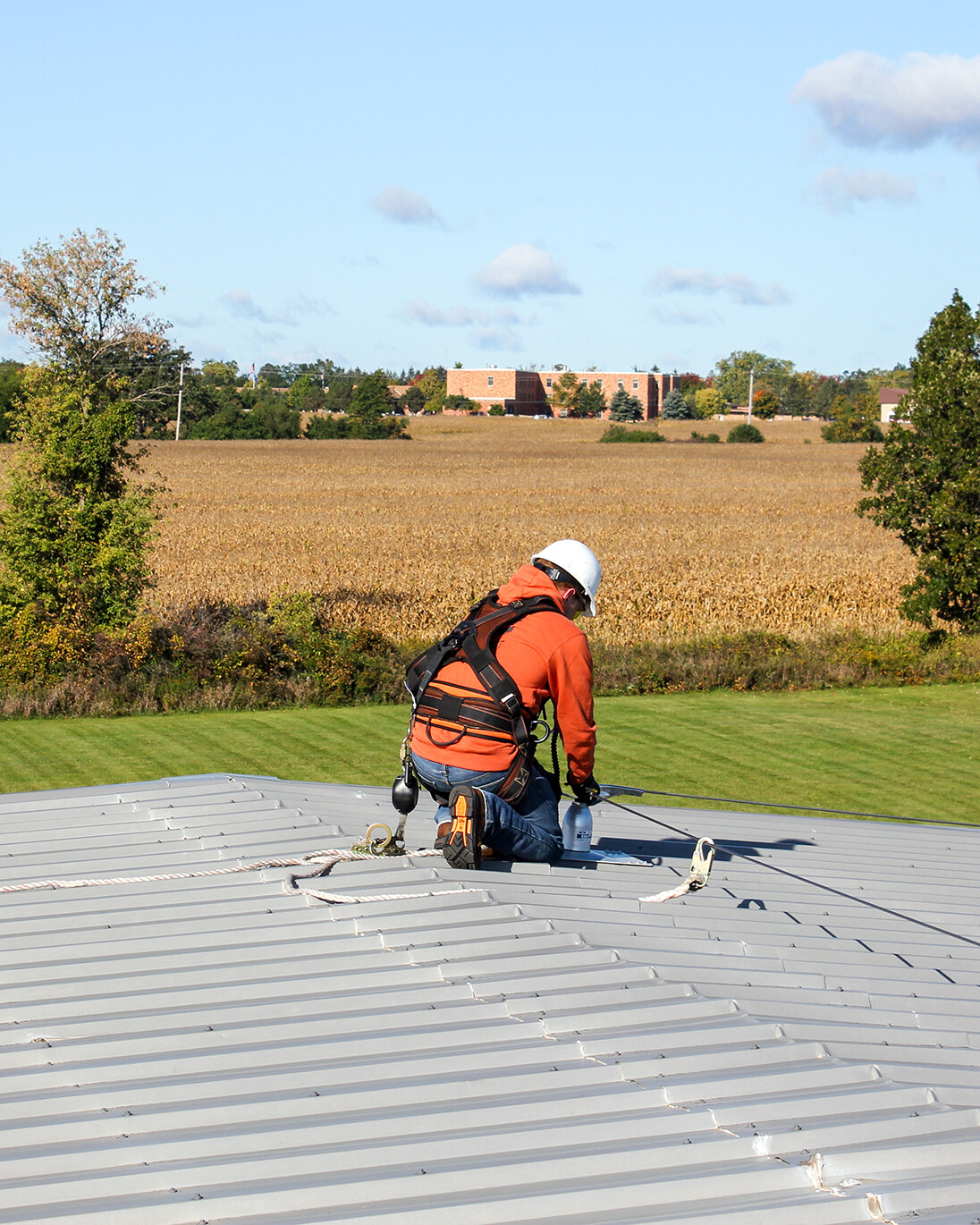
Freedom of Movement
Hands-free, seamless operation
No Training Required
No need for worker interaction
Horizontal, Vertical & Inclined
Increased access with utmost flexibility
Cable Lifeline Solution
Engineered cable lifeline systems are a critical component of a comprehensive fall protection program, providing workers with safe mobility at height. These solutions are generally categorized into two primary types based on the worker's direction of travel.

Horizontal Lifeline (HLL)
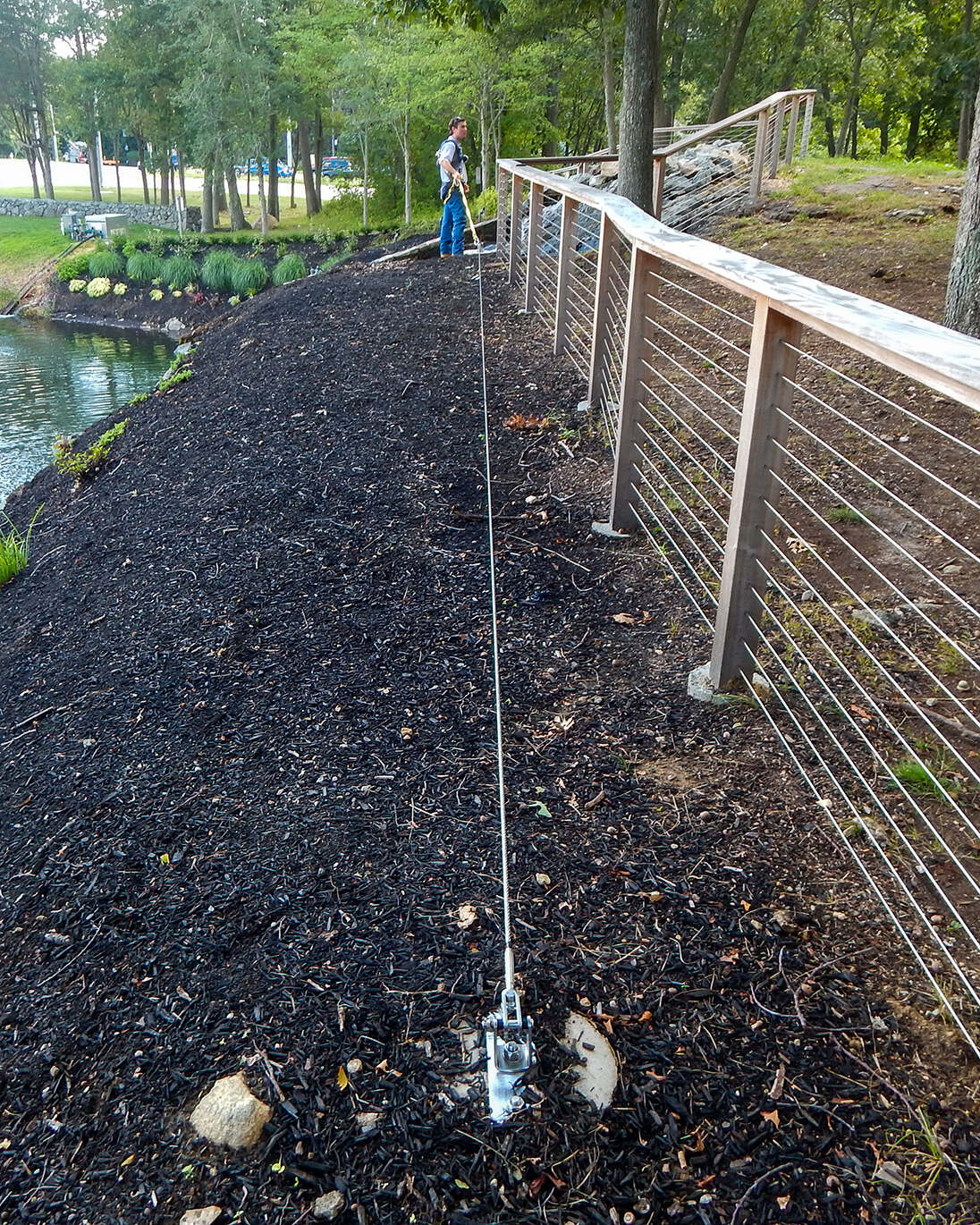
Horizontal lifelines are engineered to allow for safe lateral movement across an elevated area. They are commonly used on rooftops, pipe racks, and structural beams, enabling workers to traverse a horizontal plane while remaining continuously connected and protected from falls.

Vertical Lifeline (VLL)
Vertical lifelines are designed specifically for safe ascent and descent. These systems are typically installed on fixed ladders, towers, and building facades, providing continuous fall protection as a worker climbs up or down without needing to disconnect.
Our Process

A HySafe partnership begins with a full assessment of your needs. We review your structure, work areas, obstructions, hazards and mobility requirements to inform the next steps for your system.

Design
Qualified experts design fall protection solutions tailored for you. We analyze all the information then develop a system to fit your facility, provide efficient access and keep your workers safe.

Engineer
HySafe connects you with solutions that meet or exceed industry standards. We do all the work to determine design end load conditions, deflection, ultimate loads and other critical details.

Install & Train
Dedicated HySafe experts are ready to install any system and train your employees. Our dedicated field team efficiently fits each piece into place then provides full system training.

Recertify
HySafe recertification makes it easy to ensure you are always in compliance. We offer annual recertification, including maintenance and repairs, on any fall protection system.
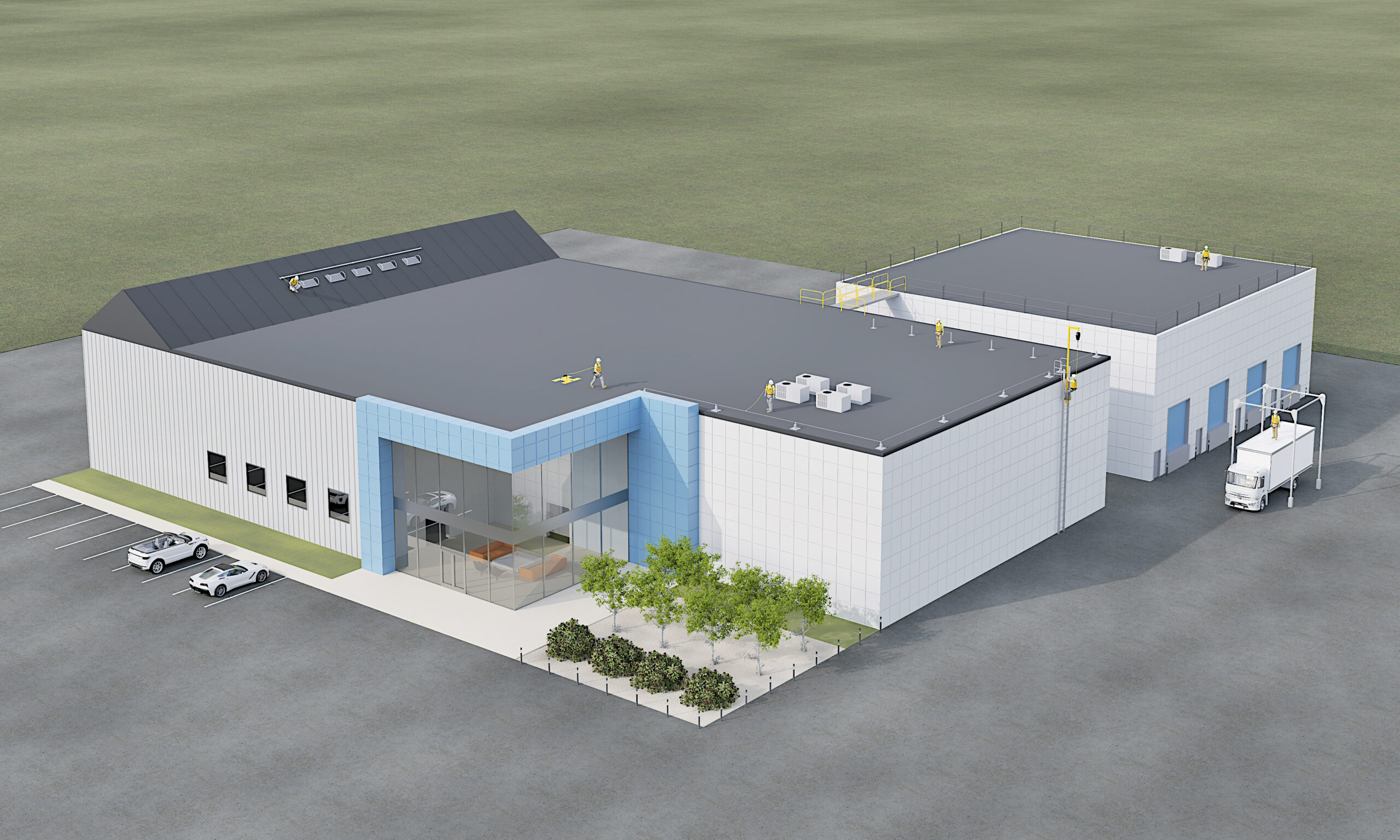
Check out the examples below of our fall protection equipment and systems in action!
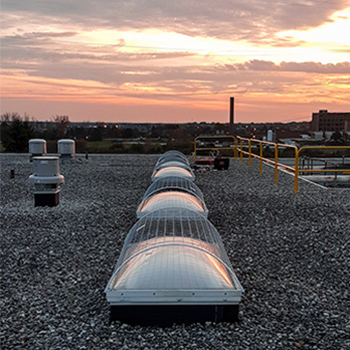
Skylights with Screens
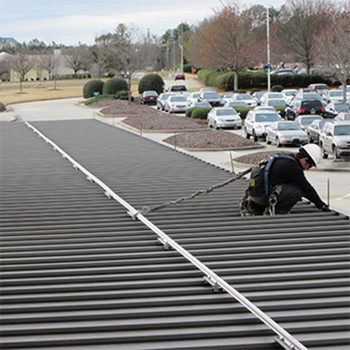
Durable Lifelines
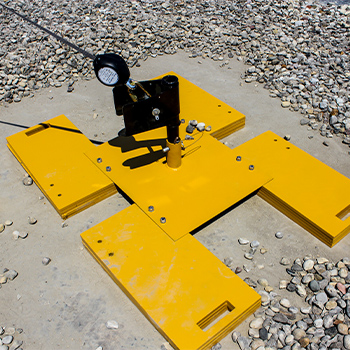
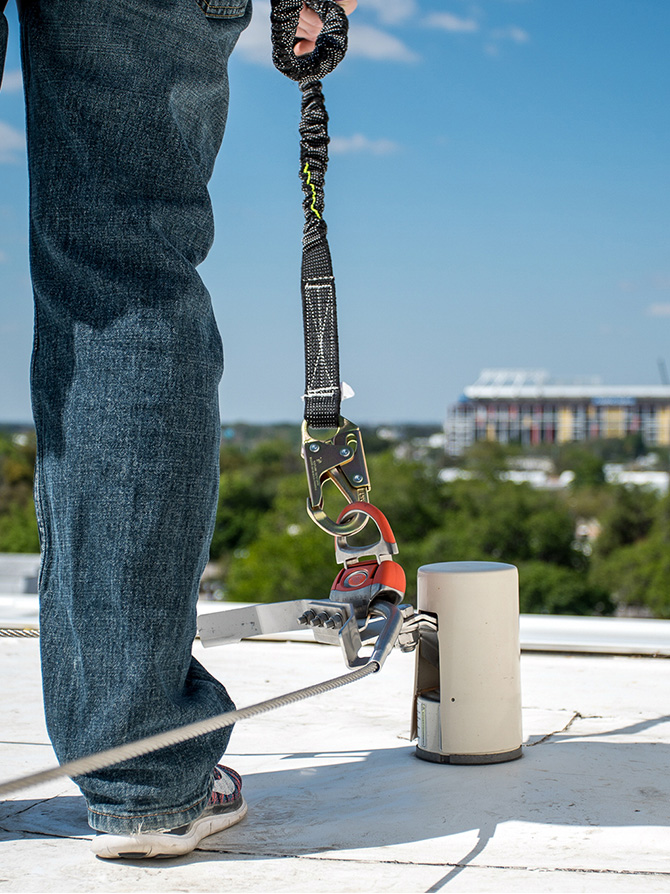
Heavyweight Anchor
Comfort & Flexibility
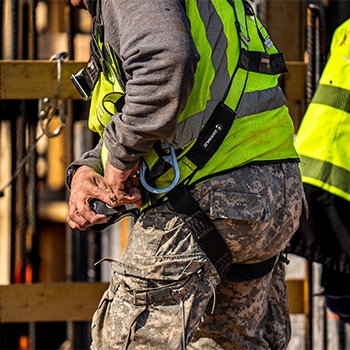
Hands-Free Movement
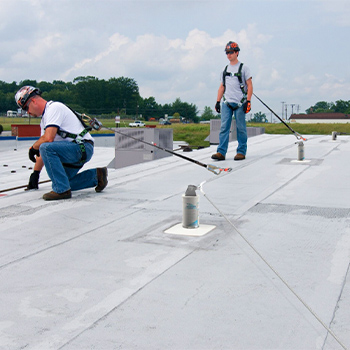
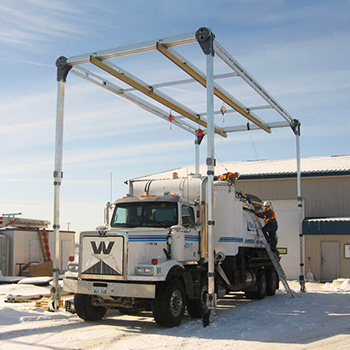
Safety Guardrail
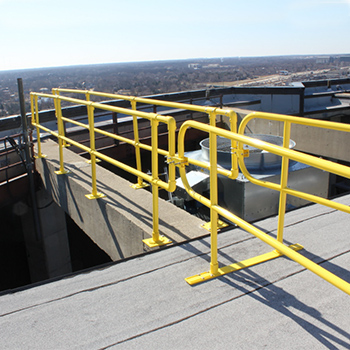
Anchor Solutions
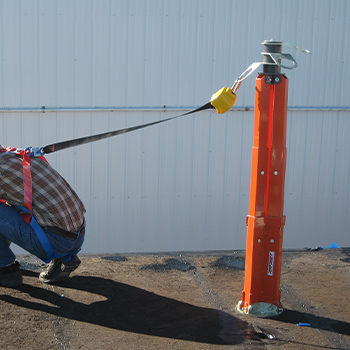
Hazard Protection
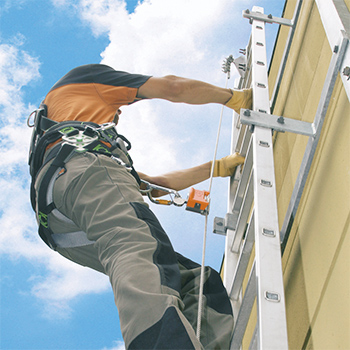
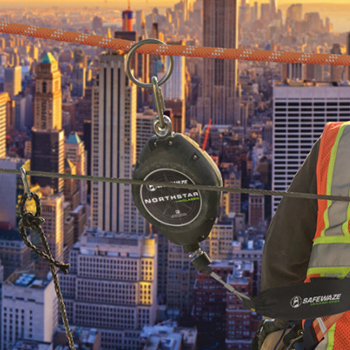
Self-Retracting Lifeline
Adjustable HyBox
Testimonial
“HySafe earned our trust right away. Their service was outstanding, and we strongly recommend them to any company needing a fall protection program.”
Vince Williamson
Quality Director, Rahco Rubber
Industries We Serve
Transportation
Custom fall protection for railroads, airports, shipyards and trucking centers.
Stadium & Arena
At height safety systems for entertainment venues and convention centers.
Amusement
Custom solutions for amusement parks and rides including roller coasters.
Education
At height protection for universities, high schools and school systems.
Manufacturing
Fall protection solutions for industrial, agricultural and chemical plants.
Government & Military
At height safety solutions for the armed forces and military bases.
Retail & Commercial
At height safety solutions for hotels, restaurants and property management.
Construction
Custom protection for new construction, expansions and general contractors.
Data Centers
Fall protection for data storage facilities, server buildings and critical infrastructure campuses
Oil & Gas
Custom fall protection solutions for oil and gas refineries, oil wells and oil transportation.
Categories

Frequently Asked Questions
What is a horizontal lifeline system?
A horizontal lifeline (HLL) is a flexible cable or rail system installed between two or more anchor points, allowing workers to move laterally while staying continuously connected. HLL systems are engineered for specific spans, loads, and worker counts, they're not off-the-shelf products.
What's the difference between a cable lifeline and a rigid rail system?
Cable lifelines use flexible wire rope, making them lighter and more versatile than rigid rail systems - a practical choice for larger open areas and applications where workers need greater range of movement. Rigid rail systems use an aluminum or steel track and offer smoother trolley travel, lower deflection, and can handle tighter clearances. The right choice depends on your span length, available clearance, and how many workers need simultaneous access.
How many workers can use a horizontal lifeline at once?
It depends on the system's engineered capacity. Each additional user increases the load on anchors and the cable, which changes deflection calculations and required fall clearance. Every HLL must be engineered by a Qualified Person for the specific number of simultaneous users.
What is the required fall clearance for a horizontal lifeline?
Fall clearance depends on the system's deflection under load, the connecting device (SRL vs. lanyard), and the worker's height. Cable lifelines deflect more than rigid rails, requiring more clearance. A Qualified Person must calculate the exact clearance distance for each system, there is no universal number.
Do horizontal lifelines need engineering?
Yes, always. OSHA 1926.502(d) and ANSI/ASSP Z359.17 and Z359.6 require horizontal lifelines to be designed by a Qualified Person. The engineering accounts for anchor loads, cable tension, deflection, number of users, and structural attachment capacity. Never install an HLL without qualified engineering.
What is a vertical lifeline system?
A vertical lifeline (VLL) is a cable or rail installed vertically, typically along ladders, towers, or building faces, that allows a worker to climb while remaining continuously attached. If the worker slips, a rope grab or shuttle device arrests the fall immediately.
Can cable lifeline systems be used outdoors?
Yes. Cable lifelines are commonly installed on rooftops, communication towers, solar arrays, exterior building faces, stadiums, and industrial structures including petrochemical and cooling tower facilities. Systems are specified with stainless steel cable and corrosion-resistant hardware for weather exposure. Environmental factors are part of the engineering process.
How often do cable lifeline systems need recertification?
Installed systems must be inspected at least annually by a Competent Person and formally recertified by a Qualified Person on an engineering review cycle — typically every five years — to confirm the system remains compliant with current OSHA and ANSI standards. Recertification is also immediately required following any fall event, structural modification, or change in usage.
What is the maximum span for a horizontal lifeline?
There's no single OSHA maximum, span limits depend on the cable diameter, anchor capacity, number of users, and acceptable deflection. Longer spans mean more deflection, which means more fall clearance required. HySafe engineers calculate the optimal span for your specific conditions, balancing coverage with clearance requirements.
We know how to protect workers at-height.
What sets HySafe apart is how we use our knowledge. We pair education and expertise to make engineered fall protection easy.